Sustainable Restoration: How Notre Dame is Going Green
When the world watched the spire of Notre Dame fall in April 2019, the collective heartbreak was palpable, transcending borders and beliefs. However, as the smoke cleared, a new resolve emerged not just to rebuild, but to do so with a profound sense of responsibility toward the future. Now, in January 2026, as visitors once again flock to the Île de la Cité, they are stepping into a cathedral that honors its medieval roots while embracing the urgent necessities of the modern world. The restoration of this Gothic masterpiece has become a global case study in sustainable heritage management, proving that preserving history and protecting the environment are not mutually exclusive goals but rather partners in longevity.
The reconstruction process has been a delicate balancing act, requiring architects and engineers to marry 12th-century craftsmanship with 21st-century environmental science. This wasn't merely about repairing fire damage; it was about future-proofing the monument against climate change and ensuring its operations leave a lighter footprint on the planet. As you prepare to explore this architectural wonder, understanding the 'green' philosophy behind the stone and glass adds a fascinating layer to the experience. It is a testament to French resilience and a forward-thinking approach that respects both the sanctity of the past and the fragility of our ecosystem.
The Philosophy of Eco-Friendly Preservation
The core philosophy driving the restoration was 'authenticity through sustainability.' The goal was never to turn Notre Dame into a high-tech modern building disguised as an old one, but rather to use sustainable methods to support traditional structures. This meant meticulous planning regarding where materials came from and how they were transported. By prioritizing local sourcing and traditional techniques that rely less on heavy industrial machinery, the restoration team significantly reduced the carbon emissions typically associated with a project of this magnitude.
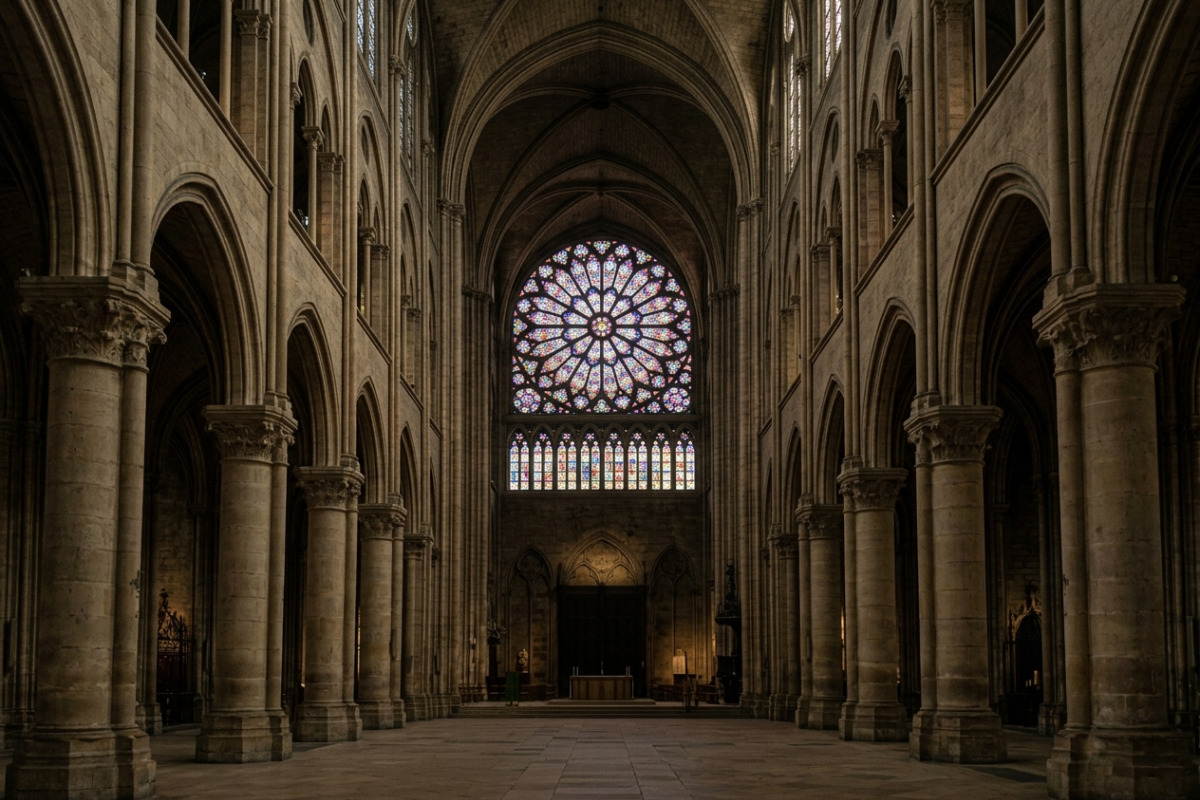
Furthermore, the project emphasized the lifecycle of the materials used. Every beam of wood and block of limestone was selected not just for its immediate structural integrity, but for its longevity and environmental impact. This approach ensures that the cathedral will not need major interventions for another century or more, effectively conserving resources in the long run. When you look up at the vaults, you are witnessing a harmony of ancient design and modern environmental conscience.
Sourcing the 'Forêt': Sustainable Timber Practices
One of the most controversial yet ultimately successful aspects of the restoration was the reconstruction of the roof framework, affectionately known as 'The Forest' (La Forêt). To remain true to the original design, the team required over a thousand oak trees. However, this was executed through a highly sustainable forestry management plan. The oaks were sourced from sustainable French forests, where trees were selected specifically because their removal would allow the forest canopy to breathe and regenerate. This wasn't deforestation; it was calculated, eco-conscious thinning that supported the health of the woodlands.
The processing of this timber also adhered to green principles. Instead of shipping the wood to distant factories, much of the hewing was done by artisan carpenters using traditional axes and techniques. This manual labor reduced the reliance on energy-consuming industrial sawmills and minimized transportation emissions. The result is a roof structure that is structurally sound and environmentally ethically sourced, preserving the heritage of French carpentry while respecting nature.
Energy Efficiency and Lighting Innovations
Inside the cathedral, the transformation is subtle yet significant, particularly regarding energy consumption. The dark, cavernous interior of the past has been illuminated by a state-of-the-art LED lighting system. These fixtures consume a fraction of the energy of traditional bulbs and produce less heat, which is crucial for the preservation of the artwork and the comfort of visitors. The lighting design is dynamic, allowing curators to highlight specific architectural details without wasting electricity on empty spaces.
If you are planning to secure your tickets for an evening visit, you will notice the warmth and clarity of this new lighting. It mimics the flicker of candlelight while providing the visibility needed for safety. Additionally, the heating and ventilation systems have been completely overhauled. The new climate control system is designed to maintain stable humidity and temperature levels, which is essential for preserving the stone and wood, all while utilizing energy-efficient heat exchangers that minimize waste.
Managing the Lead Legacy and Stone Sourcing
The fire released a significant amount of lead dust into the atmosphere, creating a major environmental health challenge. The restoration process included a rigorous decontamination phase that set new standards for handling hazardous materials in historic sites. Innovative cleaning techniques were developed to remove lead particles from the stone pores without using harsh chemicals that could damage the environment or the intricate carvings. This ensures that the air quality within the cathedral and the surrounding gardens is safe for everyone.
Regarding the stonework, the restoration team prioritized local quarries in the Paris basin to match the original Lutetian limestone. By sourcing stone from nearby locations, the project drastically cut down on the carbon footprint associated with transportation. This commitment to local resources not only supports the regional economy but also ensures that the new stones are geologically compatible with the old, preventing future structural issues caused by mismatched materials.
Key Sustainable Features at a Glance
- Local Material Sourcing: Limestone and oak sourced primarily from French regions to reduce transport emissions.
- LED Illumination: A complete transition to low-energy LED systems that reduce heat output and electricity usage.
- Rainwater Management: Improved drainage systems to handle heavier rainfalls predicted by climate change models.
- Non-Toxic Cleaning: Use of laser technology and latex pastes for cleaning instead of abrasive chemical solvents.
- Artisan Labor: Prioritizing hand-craftsmanship over heavy industrial machinery for structural repairs.
A Greener Visitor Experience
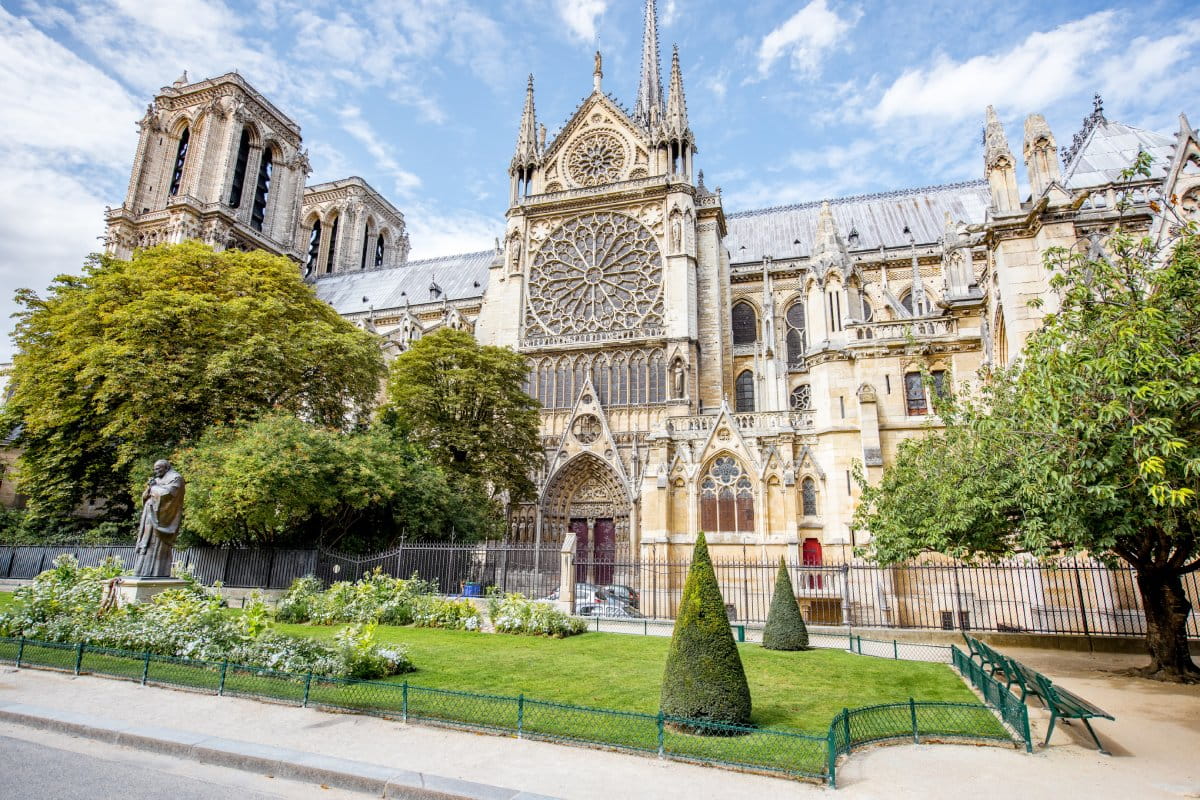
The commitment to sustainability extends beyond the physical structure to the visitor experience itself. The management of visitor flow has been optimized to reduce congestion and maintain a stable internal environment. As you walk through the various Cathedral Sections, you might notice digital information points replacing some of the paper brochures, reducing waste. The landscaping around the cathedral has also been reimagined to include more drought-resistant plants that require less irrigation, contributing to the biodiversity of the city center.
For those looking for practical details on how to access the site sustainably, the Visiting Information page offers excellent guides on using public transport to reach the Île de la Cité. Paris has an extensive metro and bus network, and arriving by foot or bike is highly encouraged to keep the immediate vicinity of the cathedral free from traffic pollution. It is a small step for a visitor, but a giant leap for the preservation of the local environment.
Comparing Past and Present Restoration Methods
To truly appreciate the strides made in this restoration, it is helpful to compare the methods used in the 19th-century restoration by Viollet-le-Duc with the sustainable practices of the 2020s. The following table highlights the evolution of thought and technology regarding heritage conservation.
| Aspect | 19th Century Approach | 21st Century Sustainable Approach |
| Material Sourcing | Focused purely on aesthetics and availability, often regardless of distance. | Prioritizes local, geologically compatible materials to reduce carbon footprint. |
| Timber | Clear-cutting without regeneration plans. | Selective harvesting from sustainable forests to promote woodland health. |
| Lighting/Energy | Gas lamps or early electricity; high heat, high risk. | Cool-burning LEDs and smart climate control systems. |
| Hazardous Materials | Extensive use of lead for roofing and piping. | Safe remediation of lead and use of safer modern alternatives where invisible. |
The Future of Heritage is Green
The restoration of Notre Dame serves as a beacon of hope and a blueprint for future heritage projects worldwide. It demonstrates that we do not have to choose between saving our history and saving our planet. By integrating ancient wisdom with modern sustainable practices, the cathedral stands stronger than ever, ready to face the coming centuries. This project has sparked a dialogue among conservationists globally, ensuring that future restorations of other world wonders will likely follow this eco-friendly path.
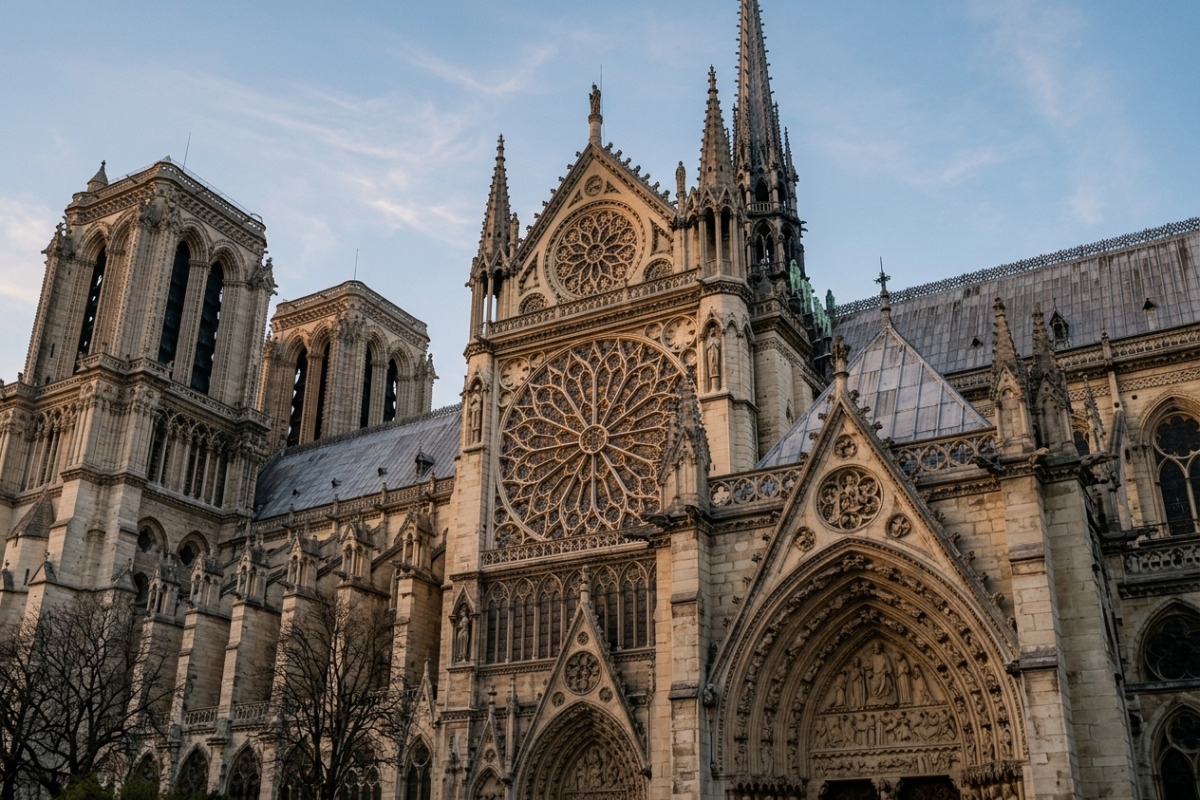
As you stand before the twin towers, take a moment to appreciate not just the religious or historical significance, but the environmental stewardship that made its rebirth possible. If you have more questions about the specifics of the restoration or logistics for your trip, the FAQ section is a valuable resource. Notre Dame has risen from the ashes, not just restored, but renewed with a green heart, beating in rhythm with a sustainable future.