The Sound of Notre Dame: Unveiling the Cathedral's Unique Acoustics
Stepping through the massive portals of Notre Dame de Paris is an experience that transcends mere sightseeing; it is an immersion into a sensory masterpiece that has been refined over nearly a millennium. While the visual splendor of the stained glass and the soaring rib vaults captures the eye immediately, there is an invisible element that defines the soul of this cathedral: its sound. As we stand here in January 2026, fully witnessing the cathedral in its restored glory, the auditory experience remains as hauntingly beautiful as ever. The hum of the city outside vanishes, replaced by a profound silence that feels heavy with history, or a resonant melody that seems to linger in the air long after the last note has been played. This is not accidental; it is the result of architectural genius meeting sacred purpose.
The Architecture of Sound: A Gothic Echo Chamber
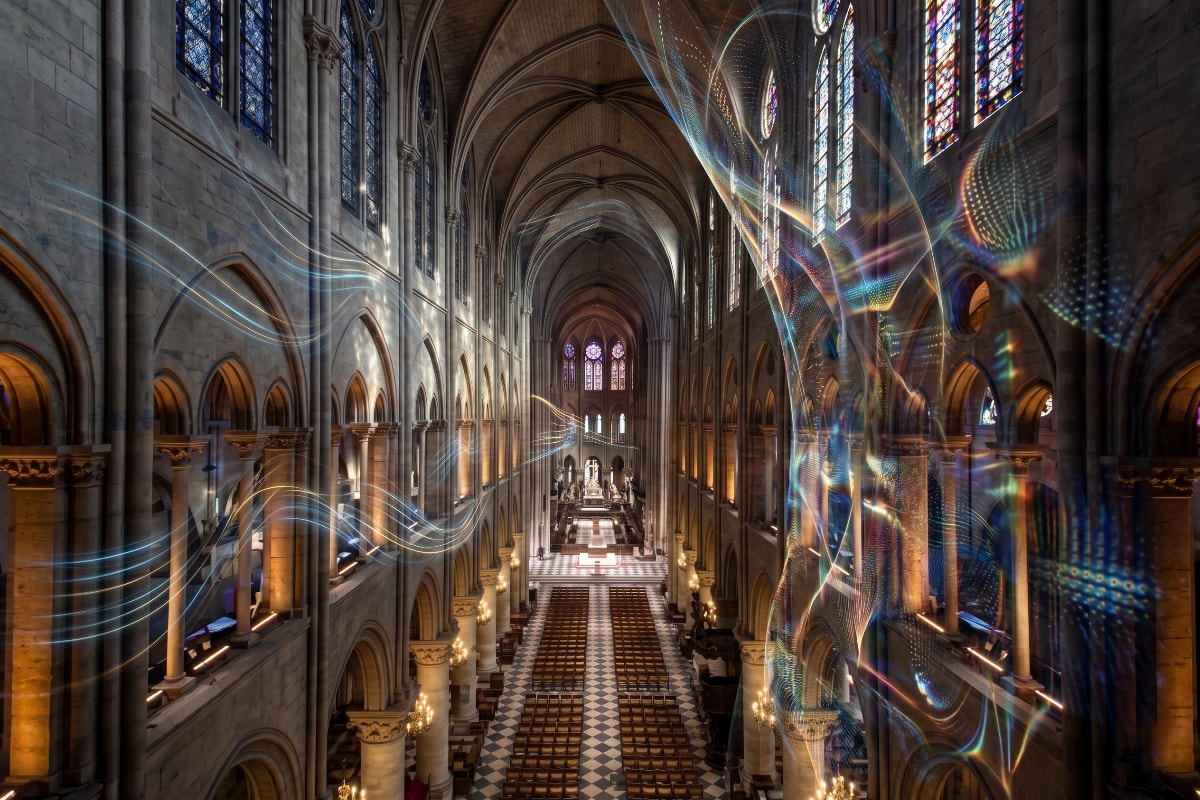
To understand the acoustics of Notre Dame, one must first understand its skeleton. The cathedral was not designed merely to house worshippers but to elevate their prayers to the heavens, both metaphorically and physically. The vast interior space, characterized by hard limestone surfaces, creates a reverberation time that is legendary among acousticians and musicians alike. Unlike modern concert halls designed to absorb sound or control it precisely, Notre Dame is a massive, reflective vessel. When a sound is produced—be it a footstep, a spoken prayer, or an organ chord—it travels upward, bouncing off the stone pillars and the vaulted ceiling, cascading back down to the listener with a majestic delay.
This phenomenon creates a "rolling" sound, where notes blend into one another, creating a continuous, ethereal wash of audio. The architectural layout plays a crucial role here. As you Explore the Cathedral, particularly the long nave and the transept, you are walking through what is essentially a gigantic instrument. The lack of soft furnishings like carpets or heavy curtains means there is very little to dampen the sound waves. Consequently, the cathedral has a reverberation time that can last upwards of six to eight seconds, depending on the frequency and the number of people present. This acoustic signature forces musicians to play with the building, rather than against it, allowing the stone itself to become a performer in the ensemble.
The Science of the Stones
The specific materials used in Notre Dame’s construction contribute significantly to its unique timbre. The Lutetian limestone, quarried from the Paris basin, is dense and reflective. However, the sheer volume of air inside the cathedral—spanning over 4,800 square meters of floor space and reaching heights of 33 meters in the nave—acts as a massive buffer. This volume allows low frequencies to develop fully, giving the sound a warmth and depth that is impossible to replicate in smaller venues. The intricate geometry of the rib vaults also serves to diffuse sound, preventing it from becoming harsh or focused in just one area, and instead spreading it like a blanket over the congregation.
The Great Organ: The Voice of the Cathedral
No discussion of Notre Dame’s acoustics is complete without paying homage to the Great Organ (Grand Orgue). With its nearly 8,000 pipes, it is one of the most famous musical instruments in the world. But the organ does not exist in a vacuum; it was voiced specifically for this space. The organ builders throughout history, from Clicquot to Cavaillé-Coll, understood that the instrument needed to have enough power to fill the colossal volume of air, yet enough clarity to not get lost in the reverberation. When the organist plays a fortissimo chord, the sound physically shakes the air, traveling down the nave like a tidal wave.
The placement of the organ, high up in the western gallery, allows the sound to project outward and downward, utilizing the ceiling vaults to carry the frequencies to the furthest reaches of the choir. For music lovers, this interaction is magical. A fast, staccato passage might be blurred by the reverb, so composers and organists often choose slower, majestic tempi that allow the harmonies to bloom within the space. If you are planning to witness this sonic marvel, it is highly recommended to check for concert availability and secure your Tickets well in advance, as these musical events are among the most sought-after experiences in Paris.
Choral Music and the "Halo" Effect
The acoustics of Notre Dame have historically shaped the liturgy and the music written for it. Gregorian chant, with its slow, melodic lines and lack of complex harmony, is perfectly suited for this environment. The long reverberation acts as a natural amplifier and a harmonizer. When a choir sings, the individual voices merge into a single, unified entity. The slight delay creates a "halo" effect around the music, making it sound otherworldly and disembodied, as if coming from everywhere at once. This was intentional; the medieval builders wanted the divine word to feel all-encompassing.
However, this acoustic environment presents challenges for spoken word and modern, fast-paced music. Preachers historically had to speak slowly and chant their words to be understood at the back of the cathedral. Today, modern sound systems help with intelligibility during mass, but the natural acoustic character is preserved for musical performances. Understanding these nuances can greatly enhance your visit. For those interested in the schedule of masses and choir rehearsals, the Visiting Information page offers detailed timetables to help you plan your auditory journey.
A Comparative Look at Acoustic Features
To better appreciate how Notre Dame compares to a standard concert hall, the following table highlights the distinct acoustic differences that define the cathedral's soundscape:
| Feature | Notre Dame Cathedral | Standard Concert Hall |
| Reverberation Time | 6 to 8+ seconds (Long, majestic) | 1.5 to 2.2 seconds (Controlled, clear) |
| Primary Material | Stone and Glass (Reflective) | Wood and Plaster (Resonant/Absorptive) |
| Sound Diffusion | Omnidirectional via Vaults | Directed toward audience |
| Best Musical Style | Organ, Choral, Slow Tempo | Orchestral, Fast Tempo, Speech |
| Listener Experience | Immersive, enveloping "wash" | Precise, localized clarity |
The Impact of Restoration on Sound
The tragic fire of 2019 and the subsequent years of painstaking restoration raised questions about how the acoustics might change. Now, in 2026, we can hear the results. The cleaning of the interior stone has removed centuries of dust and soot. Acoustically, clean stone is slightly more reflective than dirty stone, which can be porous. This has resulted in a sound that is perhaps even brighter and more resonant than before. The reconstruction of the wooden roof framework and the spire also plays a subtle role in how the building breathes and vibrates. The cathedral has not just been rebuilt; its voice has been clarified.
Visitors often have questions about how the restoration has affected access to different acoustic zones within the building. For comprehensive answers to these queries, the FAQ section is an invaluable resource, covering everything from accessibility to specific restoration details that might impact your visit.
Tips for the Ultimate Listening Experience
If you want to truly experience the "Sound of Notre Dame," simply walking through quickly is not enough. You need to pause and let the building speak to you. Here are a few tips for the audiophile traveler:
- Find the Sweet Spot: While the sound is immersive everywhere, standing at the crossing of the transept often provides a balanced mix of the organ (from the west) and the choir (from the east).
- Attend a Service: Even if you are not religious, attending a mass allows you to hear the cathedral used as it was intended. The interplay of spoken word, chant, and organ during a service is a dynamic acoustic experience.
- Listen for the Silence: Try to visit during early morning or late evening hours when the crowd is thinner. The way the cathedral holds silence is just as impressive as how it holds sound.
- Concerts are Key: The dedicated concerts held in the evenings offer a curated experience where the repertoire is specifically chosen to highlight the building's acoustic strengths.
Notre Dame de Paris is more than a visual icon; it is a sonic wonder that connects the present with the medieval past through the medium of sound waves. Whether it is the thunderous roar of the Great Organ or the delicate decay of a choir boy's final note, the acoustics of this cathedral offer a profound reminder of the power of architecture to shape human experience. As you walk beneath those ancient vaults, close your eyes for a moment and listen—you are hearing the heartbeat of history.