The Enigmatic Symbolism of Notre Dame's Architecture
Notre Dame de Paris stands as a beacon of architectural brilliance, captivating visitors with its intricate design and towering spires. However, beyond its breathtaking beauty lies a tapestry of symbolism that reflects both its historical significance and spiritual essence. In this exploration, we will delve into the various elements that contribute to the cathedral's enigmatic character, offering a deeper understanding of its artistry and purpose.
The Architectural Elements of Symbolism
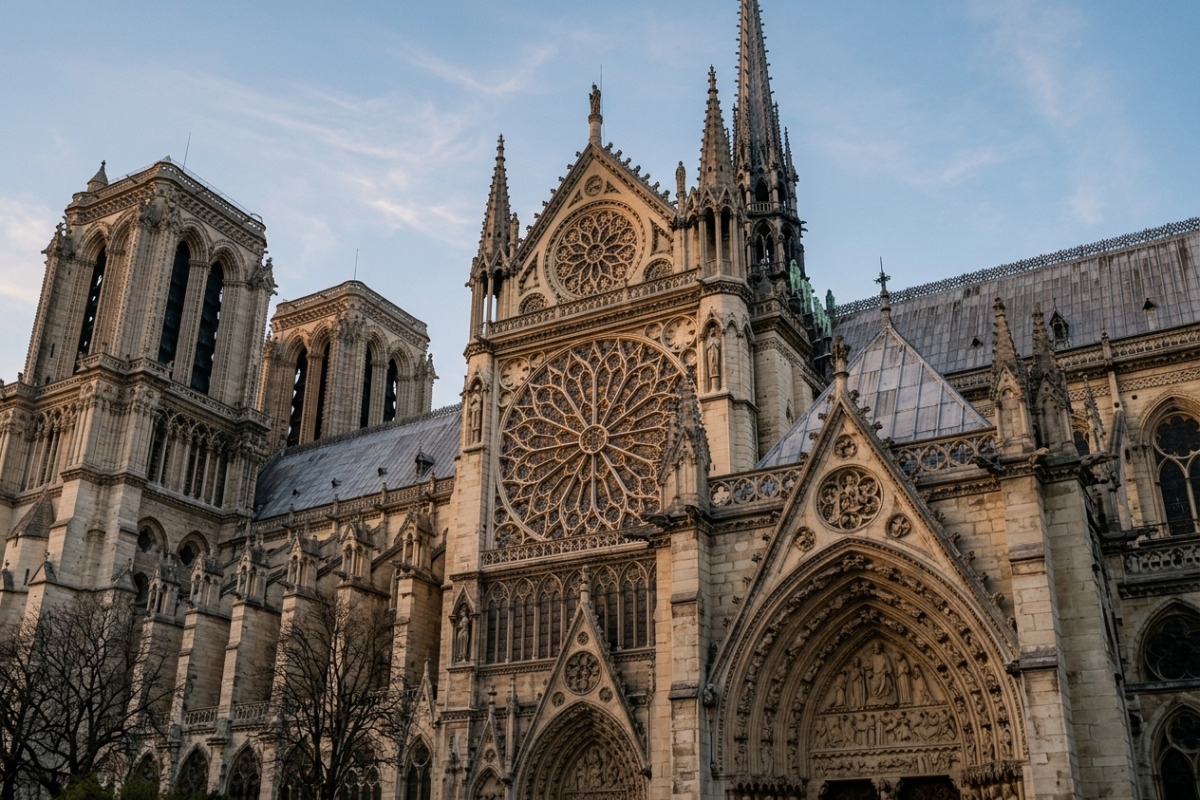
Every facet of Notre Dame's architecture serves a purpose beyond mere aesthetics. From the grand façade to the delicate rose windows, each element is imbued with meaning that resonates with its viewers. For instance, the use of pointed arches is not only a hallmark of Gothic architecture but also symbolizes the connection between the earthly and the divine. These arches guide the eyes upward, echoing the spiritual aspirations of the faithful.
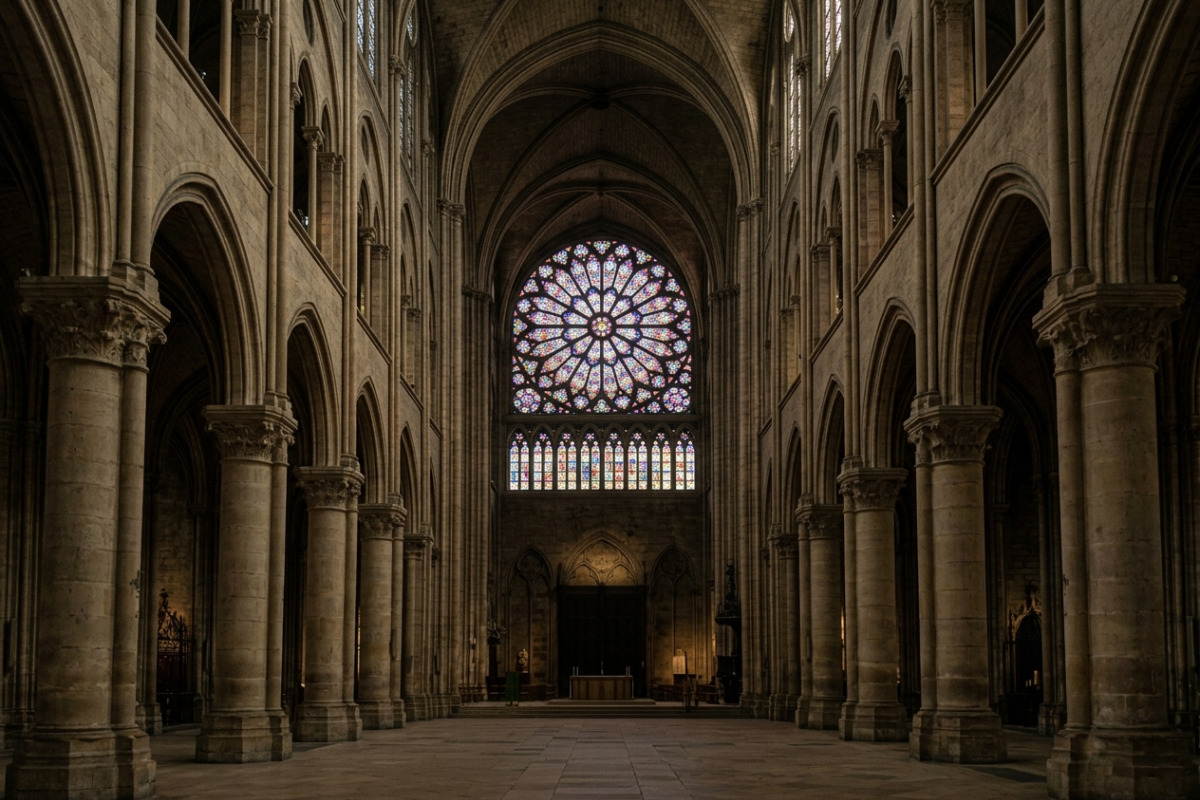
Additionally, the rose windows, particularly the iconic west rose window, are masterpieces of stained glass that depict biblical stories and saints. This artistry not only beautifies the interior but also educates visitors, offering a visual narrative that invites contemplation and reflection on spiritual themes.
Symbolism in the Statues and Gargoyles
Notre Dame's exterior is adorned with an array of statues, each telling its own story. These figures range from biblical characters to saints, serving as guardians of the cathedral and providing a sense of connection to the divine. For example, the statue of the Virgin Mary, positioned prominently, signifies protection and motherhood, embodying the nurturing aspect of faith.
Moreover, the gargoyles, often viewed as mere grotesque decorations, serve a dual purpose. While they are functional as water spouts, directing rainwater away from the building's walls, they also symbolize the church's power over evil. By warding off malevolent spirits, these creatures exemplify the medieval belief in the protective qualities of religious architecture.
Cultural Reflections Through Architectural Design
The design of Notre Dame also reflects the cultural and historical context in which it was built. Constructed during a time of religious fervor, the cathedral embodies the aspirations of the medieval society, aiming to create a space that honors God and serves as a communal gathering point. This is evident in the layout of the interior, which is designed to accommodate large congregations, emphasizing the importance of community worship.
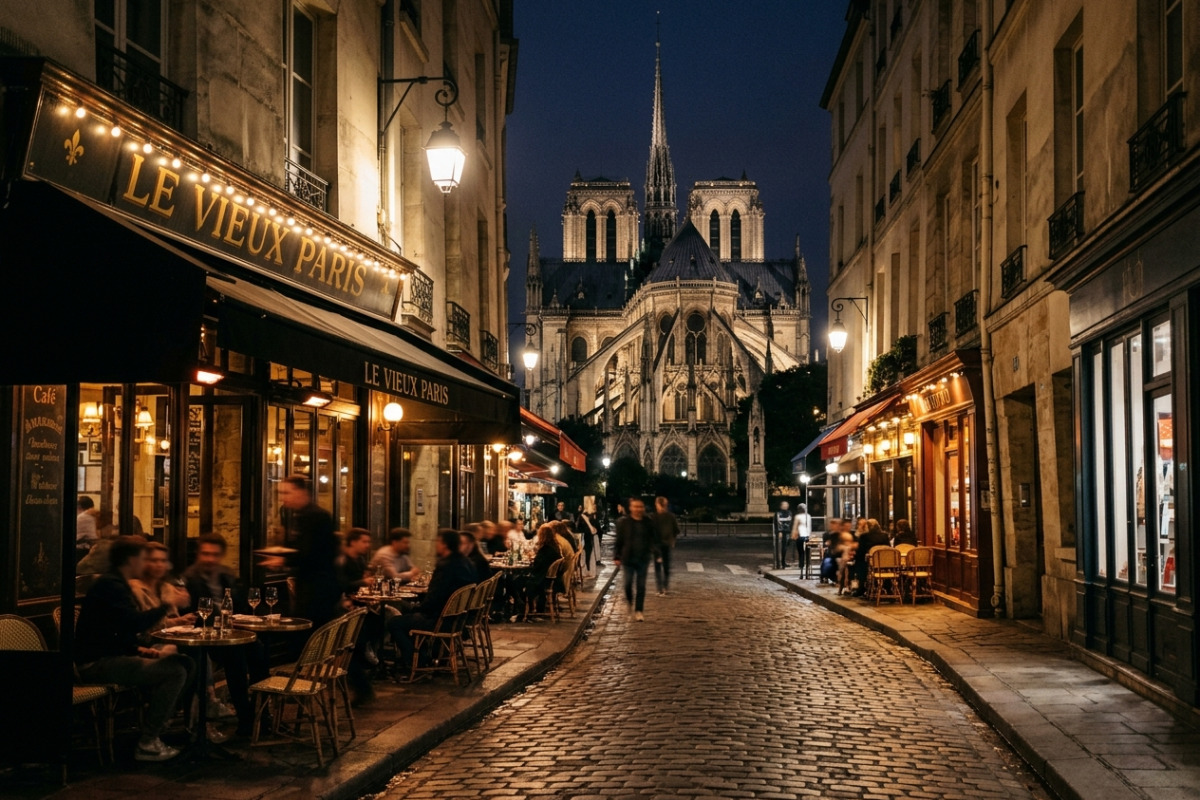
Furthermore, the incorporation of local materials, such as limestone from the Île-de-France, not only showcases the region's resources but also connects the structure to its geographical identity. This sense of place is crucial, as it anchors Notre Dame within the fabric of Paris, making it a pivotal landmark in the city's landscape.
Understanding the Spiritual Significance
To truly appreciate the symbolism of Notre Dame's architecture, one must consider its spiritual significance. The cathedral is not just a monument; it is a living testament to faith, resilience, and the human spirit. As you walk through its hallowed halls, you can feel the weight of history and spirituality that has permeated its stones for centuries.
Visitors often find themselves moved by the atmosphere of reverence that envelops the space. This spiritual journey is further enhanced by the interplay of light through the stained glass, creating a kaleidoscope of colors that shifts with the passage of time, symbolizing the divine presence in everyday life.
Experience the Symbolism of Notre Dame
As you plan your visit to Notre Dame, take a moment to engage with the rich symbolism that defines this architectural marvel. For more insights and to enhance your experience, check out our visiting information. With an understanding of the deeper meanings behind its design, your journey through this iconic cathedral will become a profound exploration of history, faith, and artistry.