Essential Tips for First-Time Visitors to Notre Dame: A 2026 Guide
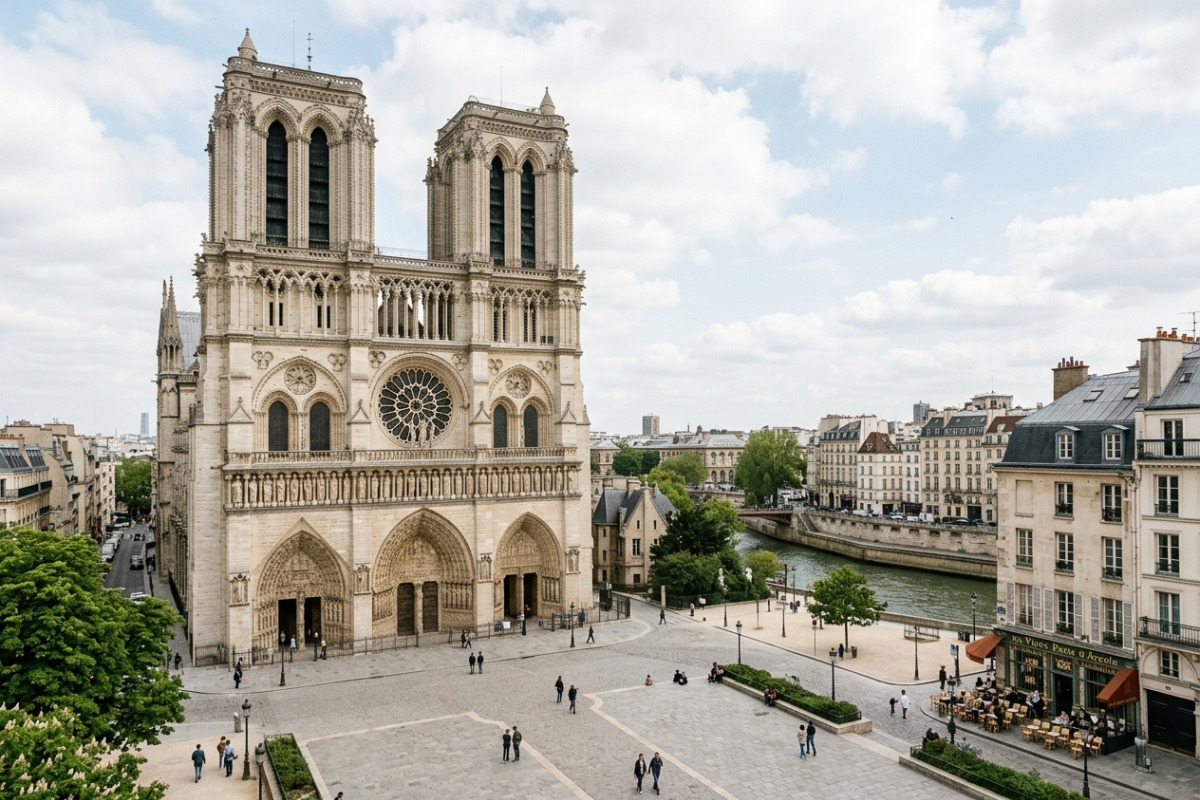
Stepping onto the Parvis de Notre-Dame is a moment that stays with travelers forever. Whether you have seen it in movies, read about it in Hugo’s novels, or simply admired it from postcards, the reality of the cathedral’s Gothic grandeur is something entirely different. Since its glorious reopening, the energy surrounding this Parisian landmark has been electric. For a first-time visitor, however, the sheer scale of the cathedral and the crowds it attracts can be a bit overwhelming. Standing at the heart of the Île de la Cité, Notre Dame is more than just a monument; it is a living testament to history, resilience, and art.
To truly appreciate the spiritual and architectural beauty without the stress of long queues or missed opportunities, a little strategy goes a long way. The experience of visiting today is quite different from what it was a decade ago, with new visitor flows and restored splendors to admire. Whether you are an architecture enthusiast, a history buff, or a pilgrim, these essential tips will help you navigate your visit like a pro.
Timing Your Visit for the Best Experience
One of the most common mistakes first-time visitors make is underestimating the popularity of the cathedral. Even in the cooler months of early 2026, the flow of tourists remains steady. To avoid the densest crowds, timing is everything. The golden rule is to arrive early. Being there right when the doors open allows you to experience the nave in a relative state of quiet, which is essential for soaking in the spiritual atmosphere.
If you are not an early riser, the late afternoon is a fantastic alternative. As the sun begins to lower, the light hitting the stained glass creates a kaleidoscope of colors on the stone floor that is simply magical. Weekdays, specifically Tuesdays and Wednesdays, tend to be slightly less chaotic than the weekends. Remember, this is a functioning place of worship, so Sunday mornings are dedicated to services, which might limit tourist access to certain areas.
For a seamless entry, it is crucial to plan ahead regarding entry requirements. While the cathedral itself is open to all, managing your arrival is key. You can find detailed information on how to secure your entry slot by checking the Tickets page. Booking a time slot, even for free entry areas, has become a standard practice to manage the preservation of the site. Pro Tip: Check the ticket page a few days before your trip, as new slots can open up due to cancellations.
Navigating Security and Entrance Protocols
Security remains a priority at major Parisian landmarks, and Notre Dame is no exception. Be prepared for airport-style security checks before you even enter the cathedral. To speed up this process for yourself and others, travel light. Large luggage and bulky backpacks are generally not permitted inside, and there are no storage facilities on-site. A small crossbody bag or a standard daypack is best.
Another vital aspect of your preparation is the dress code. As a religious site, visitors are expected to dress modestly. This means keeping shoulders and knees covered. In the winter months of January, this is rarely an issue, but if you are visiting during a warmer spell or have layers on, ensure you are respectful when you remove your coat. For more specifics on what is allowed inside, reviewing the Visiting Information section is highly recommended before you pack your bag. Pro Tip: Consider bringing a lightweight scarf or shawl in your bag, even during warmer months, to ensure you are always prepared to meet the dress code.
Must-See Highlights of the Restoration
The post-restoration Notre Dame is a sight to behold. The cleaning of the interior limestone has revealed a brightness that had been hidden for centuries under layers of soot and dust. When you walk in, look up. The rib vaults seem to soar higher than ever before. Here are a few specific highlights you cannot miss:
- The Great Rose Windows: The North, South, and West Rose windows are masterpieces of medieval engineering. The South Rose, in particular, is stunning around midday when the sun strikes it directly.
- The Restored Spire: While the original 19th-century spire by Viollet-le-Duc was lost, its identical reconstruction is a triumph of modern craftsmanship using traditional techniques.
- The Choir Woodwork: The intricate wooden stalls in the choir area have been meticulously cleaned and restored, showcasing details that were previously hard to see.
- The Great Organ: With its 8,000 pipes, it is the voice of the cathedral. While you might not hear it played during a standard visit, its physical presence above the west entrance is commanding.
To understand the layout and ensure you don't miss the chapels or the specific statues like the Virgin of Paris, take a moment to study the map of the Cathedral Sections. Knowing the difference between the nave, the transept, and the ambulatory will enrich your walkthrough significantly.
Understanding the Cathedral Layout
For a first-time visitor, the cathedral can feel like a labyrinth of art and history. To help you prioritize, here is a breakdown of what to expect in different areas:
| Section | Key Features | Visitor Tip |
| The Nave | The main central aisle, towering columns, and the pulpit. | Walk slowly down the center to appreciate the symmetry and scale. |
| The Ambulatory | The walkway curving behind the main altar. | Contains several chapels and the reliquary of the Crown of Thorns (displayed periodically). |
| The Transept | The "arms" of the cross shape, housing the North and South Rose Windows. | The best spot for photography of the stained glass. |
| The Towers | The gargoyles and the panoramic view of Paris. | Requires a separate ticket and involves climbing hundreds of steps. |
Climbing the Towers and the Crypt
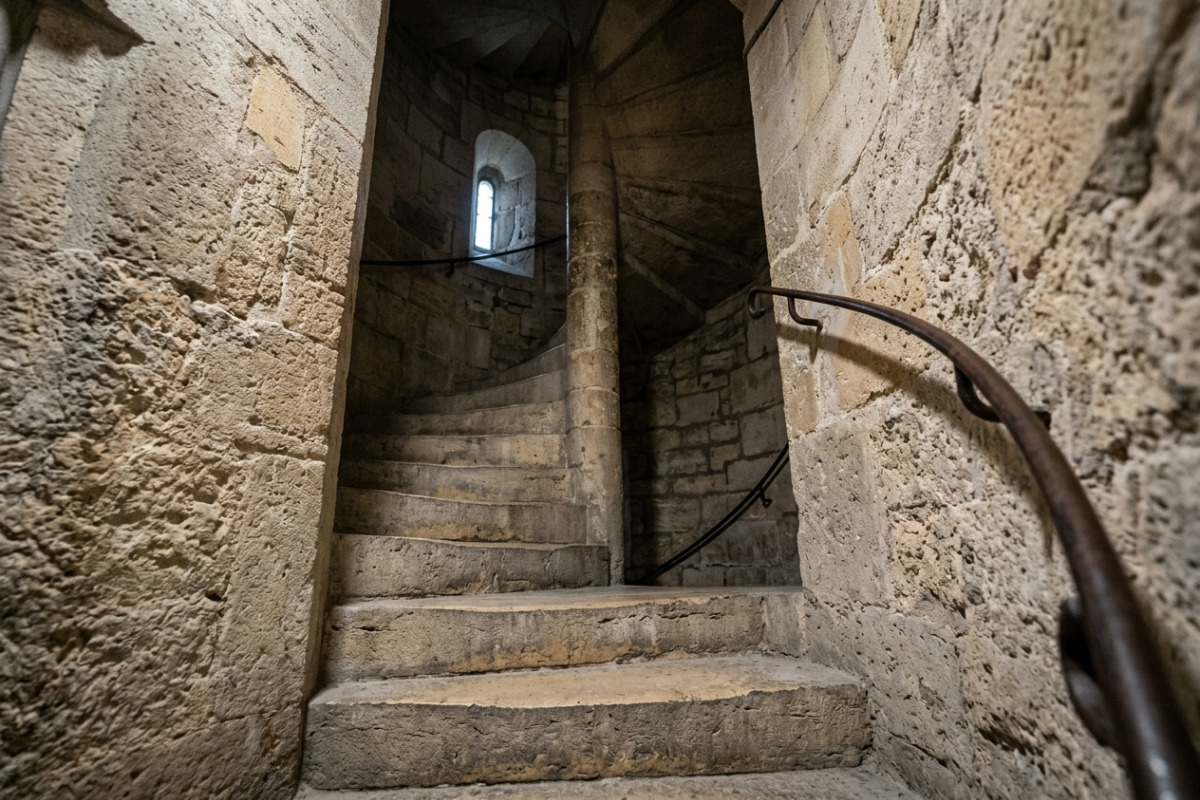
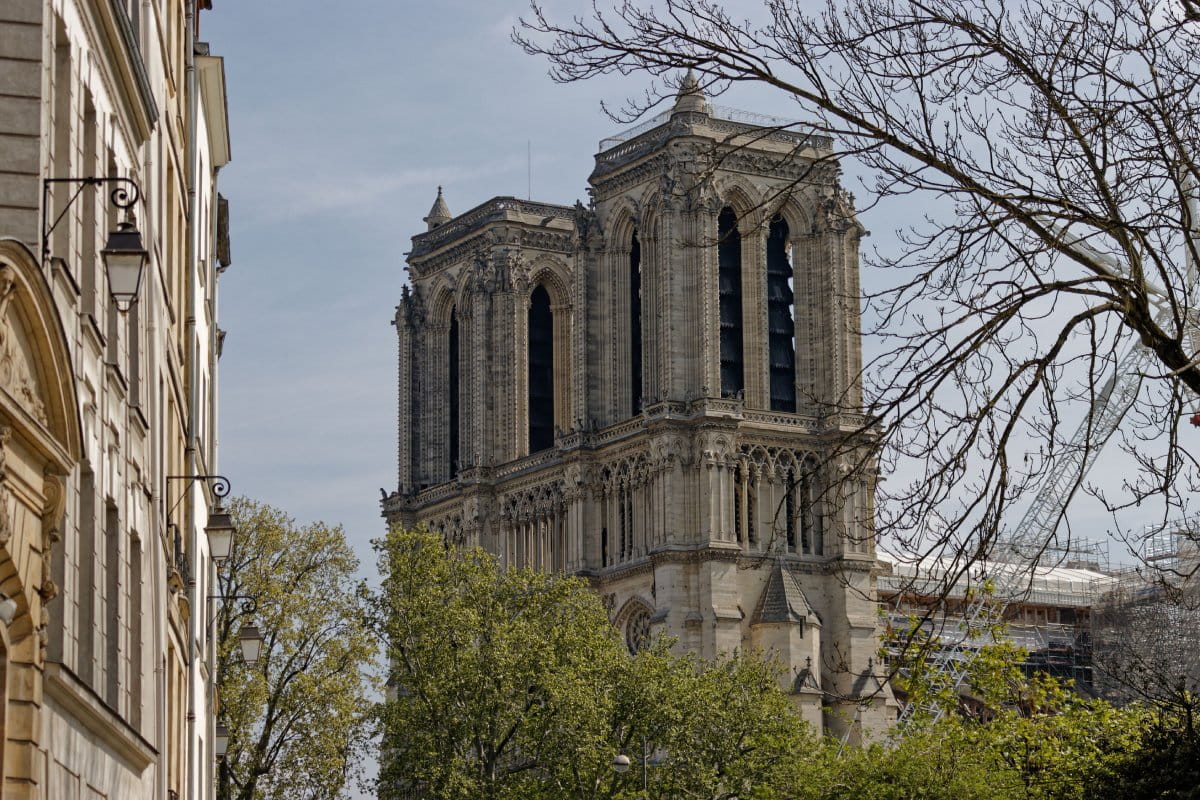
While the main floor of the cathedral captures the spiritual essence, the towers offer the romance of Victor Hugo’s Paris. Climbing the towers is a separate experience from visiting the church interior. It requires physical stamina—there are no elevators to the top—but the reward is the famous gallery of chimeras (gargoyles) and a breathtaking view of the Seine and the Eiffel Tower.
Conversely, beneath the parvis lies the Archaeological Crypt. It offers a fascinating look at the layers of history upon which Paris was built, from Roman quays to medieval foundations. It provides excellent context on how the Île de la Cité developed over two millennia. If you have questions about accessibility or specific tour durations for these areas, the FAQ page is an excellent resource to consult. Pro Tip: The Crypt can get crowded, especially during peak hours. Consider visiting it either early in the morning or later in the afternoon for a more relaxed experience.
Etiquette and Atmosphere
It is easy to get caught up in the excitement of seeing such a famous landmark, but maintaining a respectful demeanor is crucial. Silence is requested throughout the cathedral to preserve the sanctity of the space for those praying. If you are visiting with a group, keep conversations to a whisper.
Photography is generally permitted, but the use of flash and tripods is strictly forbidden. The flash can damage the delicate pigments of the artwork over time and is distracting to other visitors. Furthermore, if a mass is in progress, photography of the clergy or the congregation is considered impolite. Simply put, treat the space with the reverence it has commanded for over 850 years.
Making the Most of the Surroundings
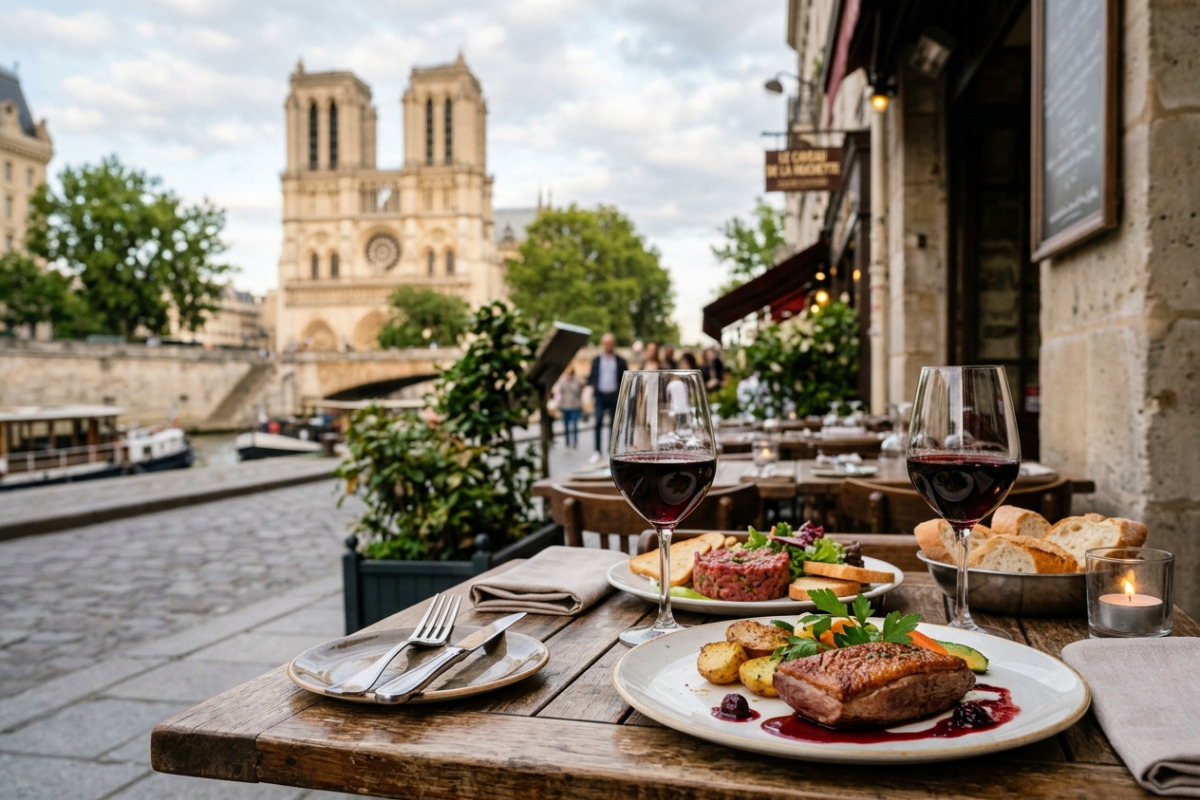
Your visit to Notre Dame shouldn't end at the exit doors. The surrounding area, the 4th arrondissement, is one of the most charming parts of Paris. After your tour, cross the Pont au Double to explore the Latin Quarter. Just across the river, you will find the famous Shakespeare and Company bookstore, a literary haven that pairs perfectly with the history of the cathedral.
Additionally, take a walk around the exterior of the cathedral, specifically to the Square Jean-XXIII (located behind the cathedral). This vantage point allows you to appreciate the flying buttresses—the external skeletons that hold the walls up—and see the intricate details of the apse. It is often much quieter here than on the main plaza and offers a peaceful moment to reflect on the architectural marvel you have just witnessed. Pro Tip: Before leaving the Île de la Cité, grab a Berthillon ice cream from a nearby shop. It's a Parisian institution and a perfect way to end your visit.
Visiting Notre Dame is a journey through time. By planning ahead, respecting the site, and knowing where to look, you ensure that your first visit is not just a sightseeing stop, but a profound experience. Enjoy the history, the light, and the enduring spirit of Paris.