Famous Faces: Iconic Figures Associated with Notre Dame
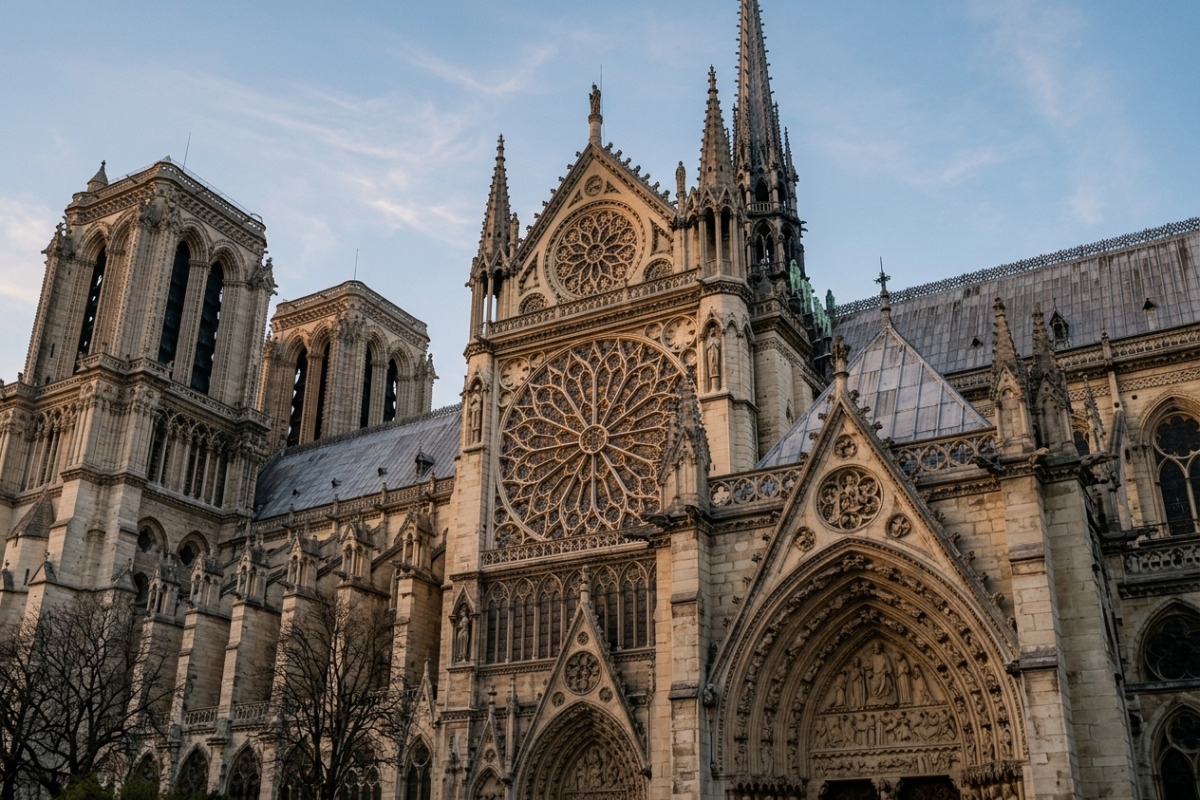
When we stand before the majestic façade of Notre Dame de Paris, our eyes are often drawn to the intricate stone carvings, the soaring flying buttresses, and the kaleidoscope of stained glass. However, the true soul of this cathedral is not found merely in its limestone blocks, but in the people who dreamed, built, saved, and celebrated it throughout the centuries. As we step into 2026, the cathedral stands as a testament not just to architectural genius, but to the human spirit. From medieval bishops to revolutionary writers, the history of this Parisian landmark is a tapestry woven with the lives of extraordinary individuals.
To truly understand the magnitude of this site, one must look beyond the architecture and delve into the biographies of those who walked its nave. These figures range from the pious to the powerful, the creative to the controversial. Their decisions, coronations, and artistic works have imbued the cathedral with a legacy that transcends religious boundaries. As you prepare to secure your tickets for a visit, take a moment to acquaint yourself with the famous faces whose spirits still seem to linger in the shadows of the gothic arches.
The Visionaries: Architects and Builders
The story of Notre Dame begins with a single, ambitious vision. In the 12th century, Paris was growing in power and influence, yet it lacked a cathedral to match its status. This changed with the appointment of a man who would dedicate his life to a project he would never see completed, setting a precedent for the generations of builders who followed.
Maurice de Sully: The Founding Father
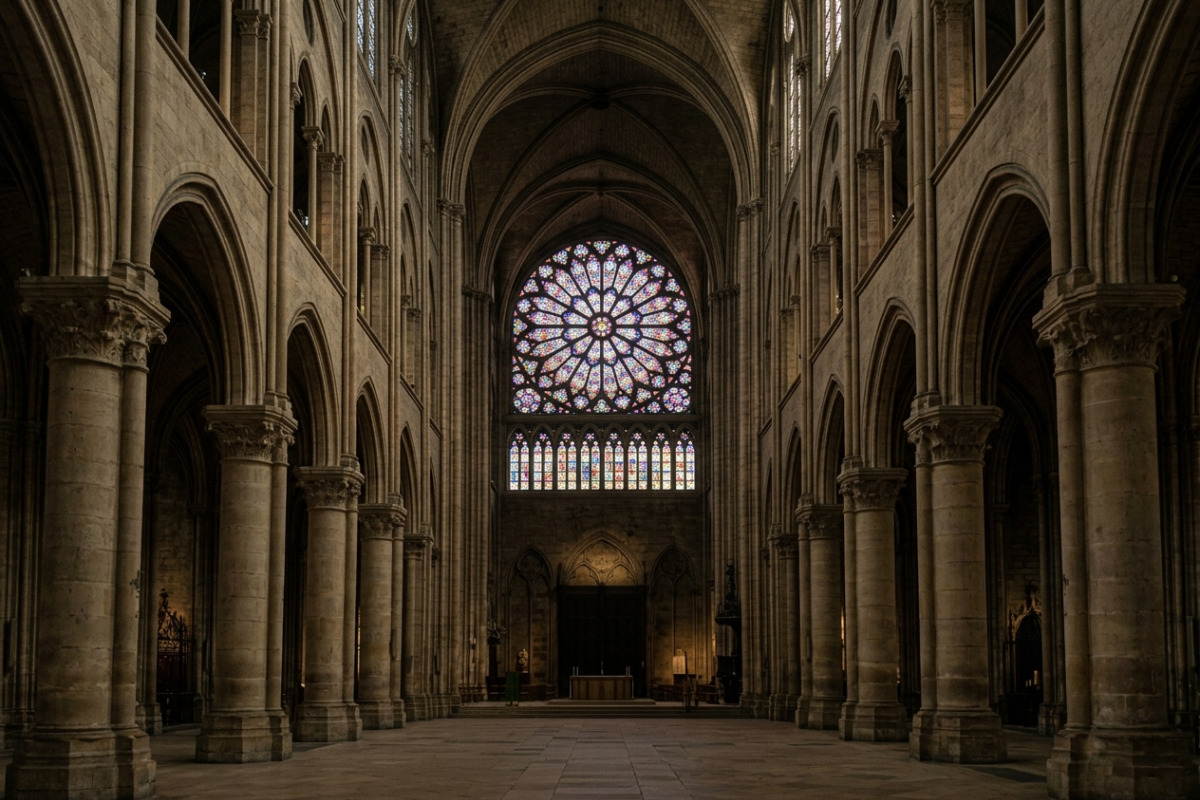
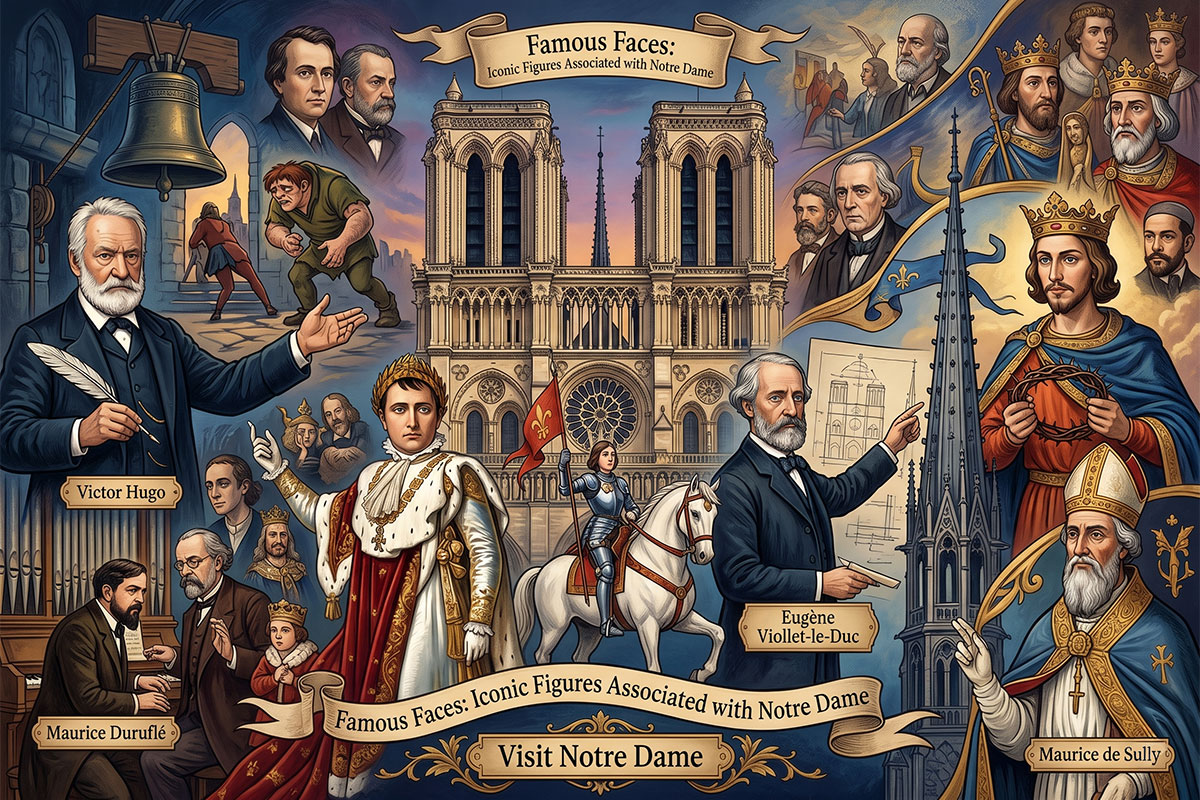
Appointed Bishop of Paris in 1160, Maurice de Sully is the primary reason Notre Dame exists today. While many were content with the existing Romanesque cathedral, Sully envisioned something far grander—a structure that would touch the heavens and reflect the glory of God through light and height. In 1163, tradition holds that Pope Alexander III laid the cornerstone, but it was Sully’s relentless drive that kept the project moving. He reorganized the church's revenue to fund the massive construction, demonstrating a mix of spiritual devotion and administrative genius. When you walk through the nave today, you are walking through the physical manifestation of Maurice de Sully’s dream.
Eugène Viollet-le-Duc: The Savior of the Spire
Fast forward to the 19th century, and the cathedral had fallen into a state of severe disrepair. Enter Eugène Viollet-le-Duc, an architect who is as controversial as he is celebrated. After winning a competition in 1844 to restore the cathedral, he spent decades not just repairing it, but reimagining it. He is responsible for the famous gargoyles and chimeras that gaze over Paris, as well as the iconic spire that tragically fell in 2019 and has since been lovingly reconstructed. Viollet-le-Duc believed in restoring a building to a state of completeness that may never have existed, and his touch is visible in almost every corner when you explore the cathedral sections.
The Literary Savior: Victor Hugo
It is impossible to discuss the icons of Notre Dame without mentioning the man who arguably saved it from demolition. By the early 1800s, the cathedral was crumbling, disregarded, and viewed as a relic of a barbaric past. City planners even considered tearing it down to use the stone for bridges.
In 1831, Victor Hugo published his masterpiece, *The Hunchback of Notre Dame* (Notre-Dame de Paris). The novel was an instant sensation, but its true protagonist was not Quasimodo or Esmeralda; it was the cathedral itself. Hugo wrote passionately about the architecture, sparking a massive public outcry for the building's preservation. This literary intervention led directly to the restoration commissions that hired Viollet-le-Duc. Today, visitors often look for the bells, imagining the fictional Quasimodo, but the real hero was the author who used his pen to protect French heritage.
Royalty and Emperors: Coronations and Weddings
Notre Dame has always been a stage for the most significant events in French royal history. Unlike Reims Cathedral, where kings were traditionally crowned, Notre Dame hosted unique ceremonies that signaled shifts in power and international alliances. These events brought the most powerful figures in Europe to the Île de la Cité.
| Historical Figure | Event Type | Year | Significance |
| Henry VI of England | Coronation | 1431 | Crowned King of France during the Hundred Years' War, symbolizing English claims to the French throne. |
| Mary, Queen of Scots | Wedding | 1558 | Married the Dauphin François II, solidifying the alliance between France and Scotland. |
| Napoleon Bonaparte | Coronation | 1804 | Crowned himself Emperor in a lavish ceremony, famously taking the crown from the Pope's hands. |
| Napoleon III | Marriage | 1853 | Married Eugénie de Montijo, marking the height of the Second Empire's glamour. |
The coronation of Napoleon Bonaparte is perhaps the most famous event in the cathedral's history. To prepare for the ceremony, the building was draped in fabrics to hide its damage, creating a temporary illusion of grandeur. Napoleon’s presence cemented the cathedral's status as a national monument, not just a religious one. If you check the visiting information, you can plan your trip to walk the very aisles where emperors and queens once trod.
Spiritual Icons: Saints and Martyrs
Beyond the architects and kings, Notre Dame is fundamentally a place of worship, deeply connected to figures of immense spiritual significance. Their stories add a layer of solemnity and reverence to the site.
Saint Louis (King Louis IX)
King Louis IX, later Saint Louis, had a profound connection to the cathedral. In 1239, he brought the Crown of Thorns to Paris. Before the Sainte-Chapelle was completed to house the relic, it was temporarily placed in Notre Dame. Saint Louis is often depicted as a barefoot king, carrying the holy relics, emphasizing humility over royalty. His legacy is intertwined with the cathedral's role as a guardian of Christendom's most precious treasures.
Joan of Arc
While Joan of Arc never saw the cathedral in her lifetime as a free woman, her spirit is indelibly linked to it. Decades after she was burned at the stake, a rehabilitation trial was held at Notre Dame in 1456. The court declared her innocent and a martyr, clearing her name in the very heart of the capital she sought to liberate. A statue of Joan of Arc stands inside the cathedral today, receiving prayers from millions of visitors annually.
Modern Artisans and The Collective Spirit
History is still being written at Notre Dame. Following the devastating fire of April 2019, a new generation of "famous faces" emerged, though many remain nameless to the general public. These are the master carpenters, stonemasons, organ builders, and glass restorers who worked tirelessly to bring the cathedral back to life for its reopening.
- General Jean-Louis Georgelin: He led the public establishment dedicated to the conservation and restoration of the cathedral until his passing, driving the project with military precision.
- Philippe Villeneuve: The chief architect of historic monuments who oversaw the intricate restoration process, ensuring that the new materials honored the medieval techniques.
- The Carpenters: Artisans from around the world who used medieval axes to hand-hew the oak beams for the new roof framework, nicknamed "The Forest."
- Rémi Fromont: As one of the architects working on the reconstruction, Fromont has been instrumental in the scientific analysis and preservation of the cathedral's original materials, ensuring authenticity in the restoration.
- The Organ Builders: A team of specialists meticulously restoring the cathedral's grand organ, one of the largest and most complex instruments in the world. Their work involves cleaning, repairing, and reassembling thousands of pipes.
These modern figures prove that the story of Notre Dame is not a closed book. It is a living narrative that continues to evolve. When you browse the FAQ section regarding the restoration efforts, you realize that the cathedral belongs as much to the 21st century as it does to the 12th.
Experiencing the Legacy
Visiting Notre Dame is an encounter with these giants of history. Whether you are admiring the view that Victor Hugo described, standing on the spot where Napoleon was crowned, or marveling at the spire that Viollet-le-Duc designed, you are participating in a continuum of history. The cathedral is a vessel of human memory, holding the echoes of those who shaped Western civilization.
To truly appreciate the depth of this history, it is essential to plan ahead. The cathedral's popularity means that preparation is key to a smooth experience. Take the time to read about these figures before you go, and as you walk through the great doors, remember that you are following in the footsteps of saints, kings, and geniuses.