The Timeless Allure of Notre Dame: A Journey Through History
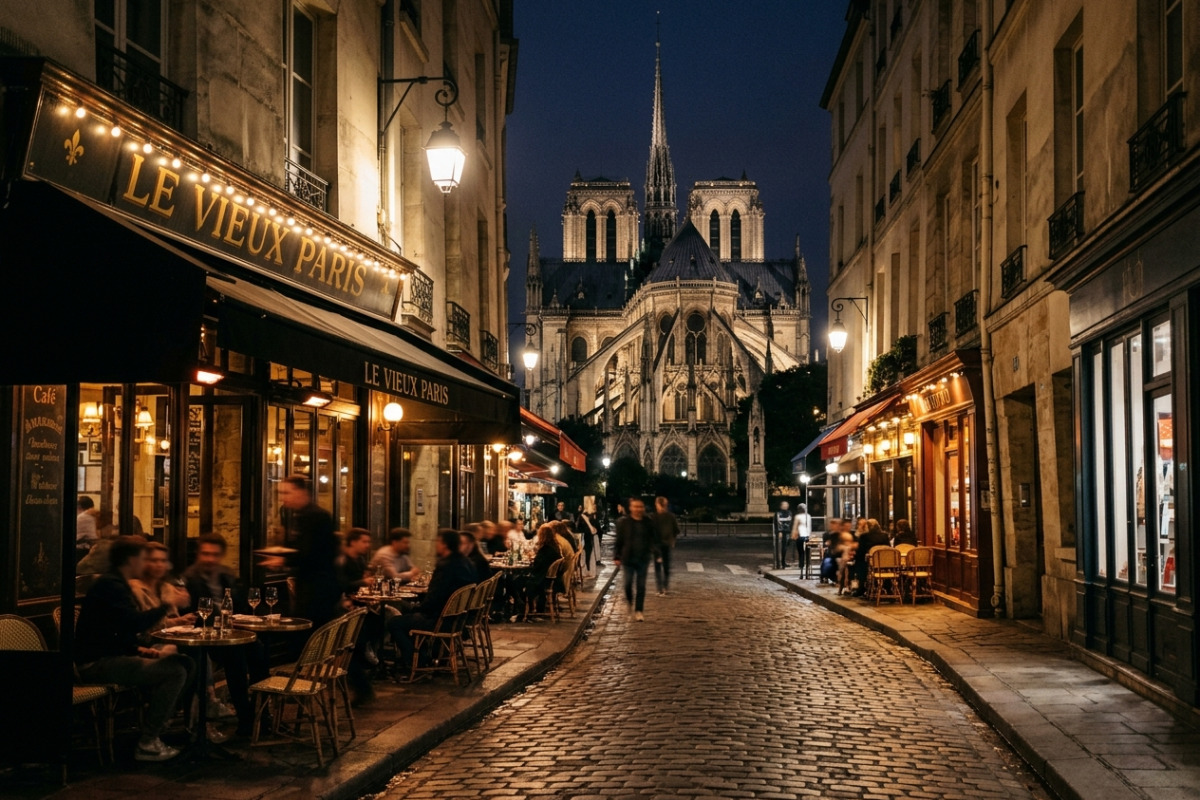
Notre Dame Cathedral is not just a stunning example of Gothic architecture, but also a symbol of resilience and history. As you step into its majestic interiors, you are transported back in time, experiencing the stories and events that have shaped its identity over centuries. Understanding its historical context enriches your visit and allows you to appreciate its beauty in a deeper way.
A Historical Overview of Notre Dame
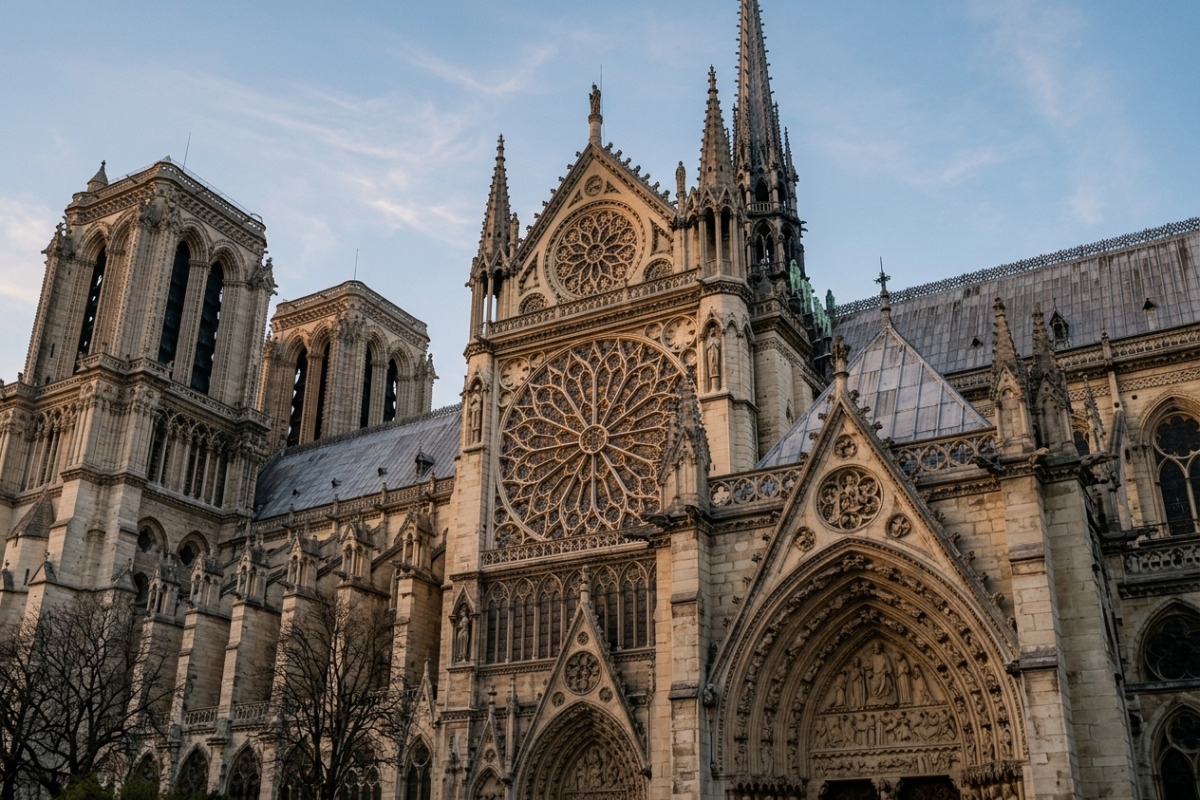
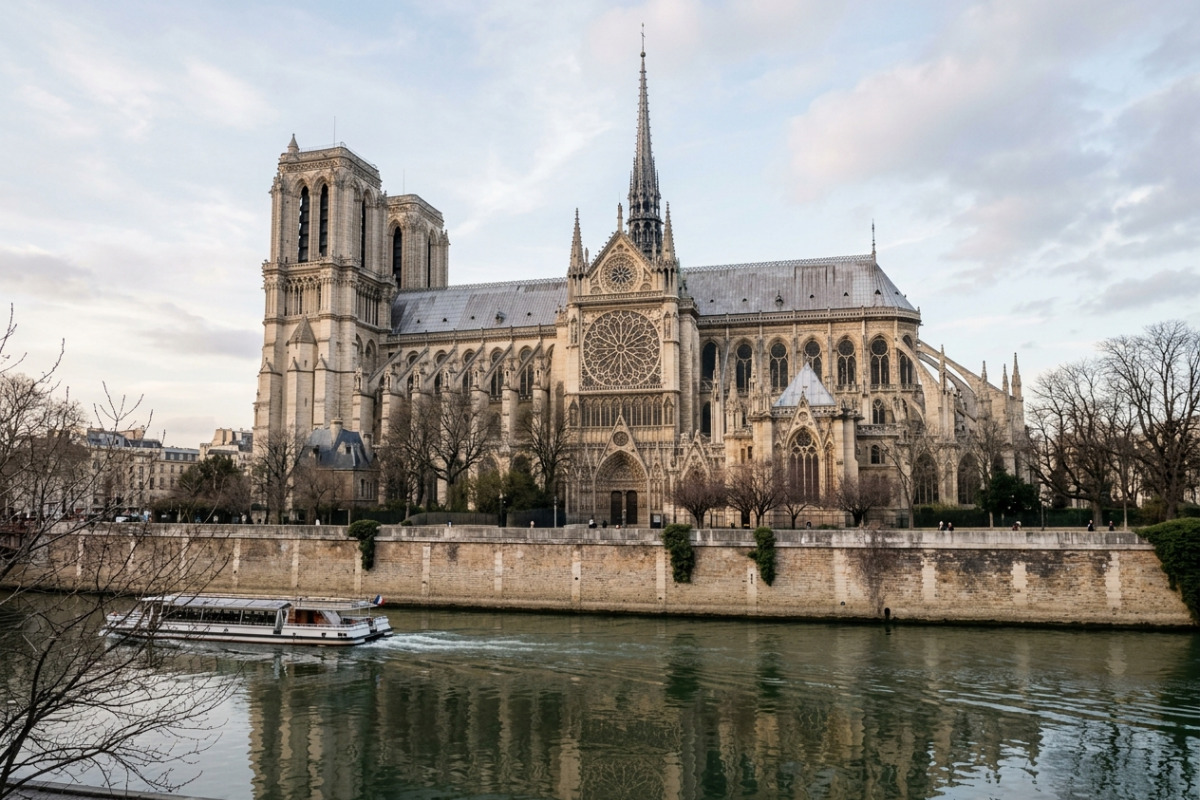
Construction of Notre Dame began in the 12th century, specifically in 1163 under the direction of Bishop Maurice de Sully. The architectural style reflects the transition from Romanesque to Gothic, characterized by its flying buttresses, ribbed vaults, and the iconic rose windows. Over the years, this magnificent structure has witnessed numerous historical events, from royal ceremonies to pivotal moments in French history, including the French Revolution.
The cathedral's survival through tumultuous times adds to its allure. Despite suffering damage during the Revolution, when many of its treasures were looted or destroyed, Notre Dame was restored in the 19th century under the guidance of architect Eugène Viollet-le-Duc. This restoration not only preserved its grandeur but also revitalized its significance in French culture.
Architectural Features That Captivate
When visiting Notre Dame, one cannot overlook the stunning architectural features that define its character. The iconic façade is adorned with intricate sculptures and gargoyles, each telling a story of faith, protection, and artistry. These elements are not merely decorative; they serve practical purposes, such as water drainage, while also enhancing the cathedral's ethereal beauty.
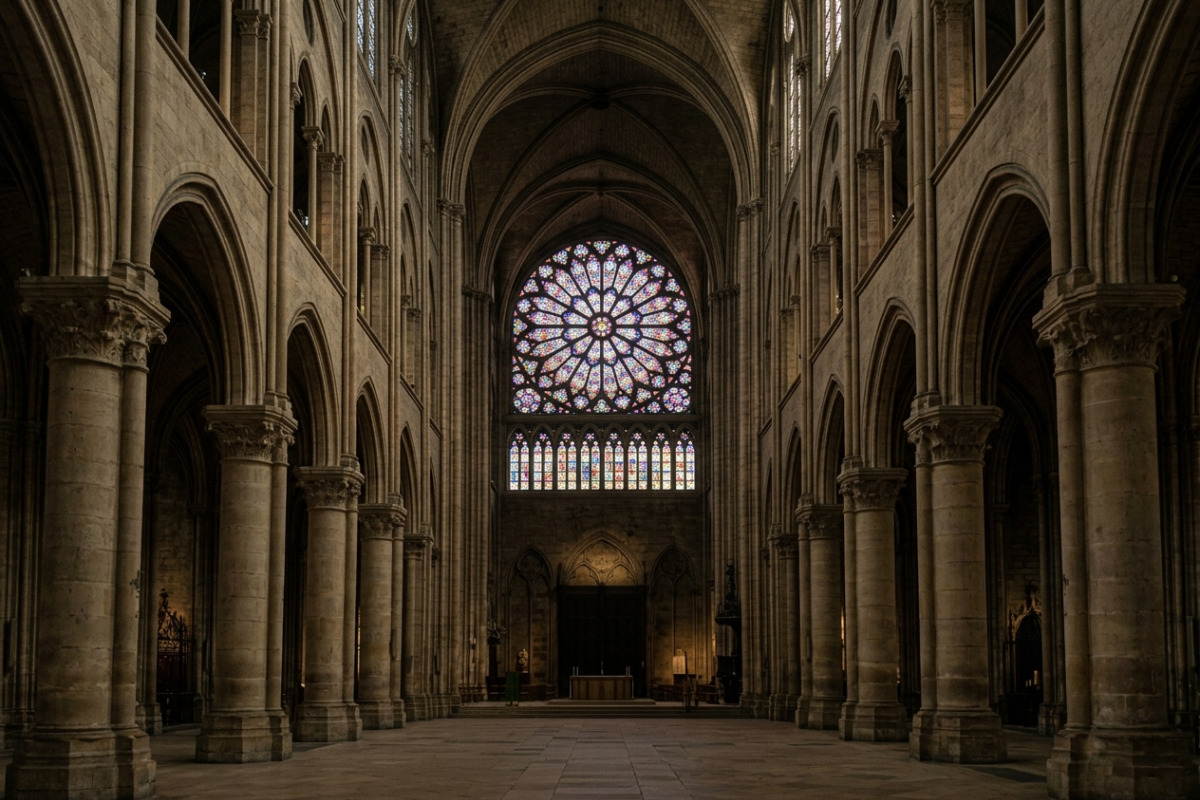
The interior is equally breathtaking, with soaring vaulted ceilings and stunning stained glass windows that filter light into a kaleidoscope of colors. The famous rose windows, particularly the west rose window, are masterpieces of medieval art, depicting biblical stories and saints. To learn more about these stunning features, check out our detailed sections on rose windows and gargoyles.
The Cultural Significance of Notre Dame
Notre Dame is not just a religious building; it is a cultural landmark that embodies the spirit of Paris. It has inspired countless artists, writers, and musicians, resulting in a rich tapestry of art and literature associated with the cathedral. Victor Hugo's "The Hunchback of Notre-Dame" played a pivotal role in rekindling interest in the cathedral during the 19th century, illustrating how literature can shape public perception of historical sites.
The cathedral continues to be a place of pilgrimage and reflection, attracting millions of visitors each year. Its role in cultural and religious events, including weddings and masses, showcases its ongoing significance in the lives of many. For practical information on visiting, including ticket details, visit Tickets and Visiting Information.
Conclusion: A Must-Visit for History Enthusiasts
In conclusion, Notre Dame Cathedral is more than just an architectural marvel; it is a living testament to the history and culture of France. Its resilience through time, coupled with its stunning design and rich stories, makes it a must-visit for anyone interested in history and architecture. As you plan your visit, take the time to explore its various sections and immerse yourself in the captivating tales that await you.