Behind the Scenes: The Restoration of Notre Dame Cathedral
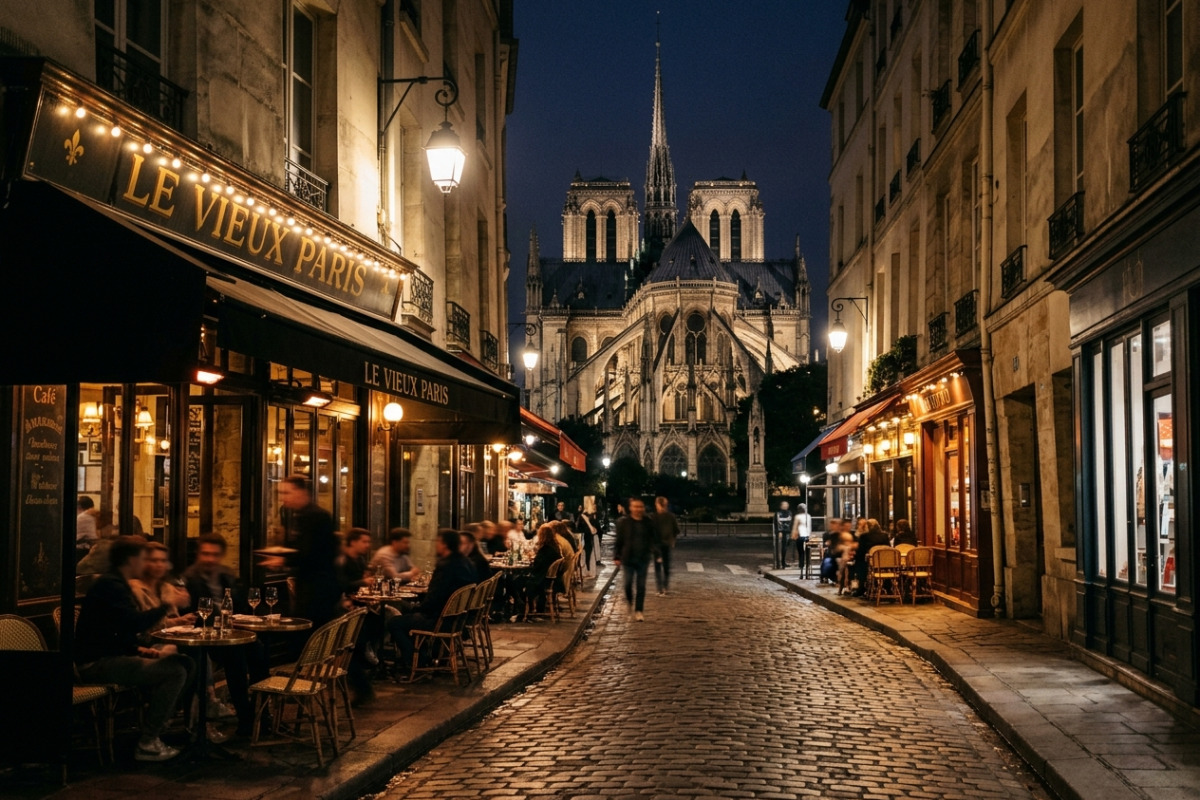
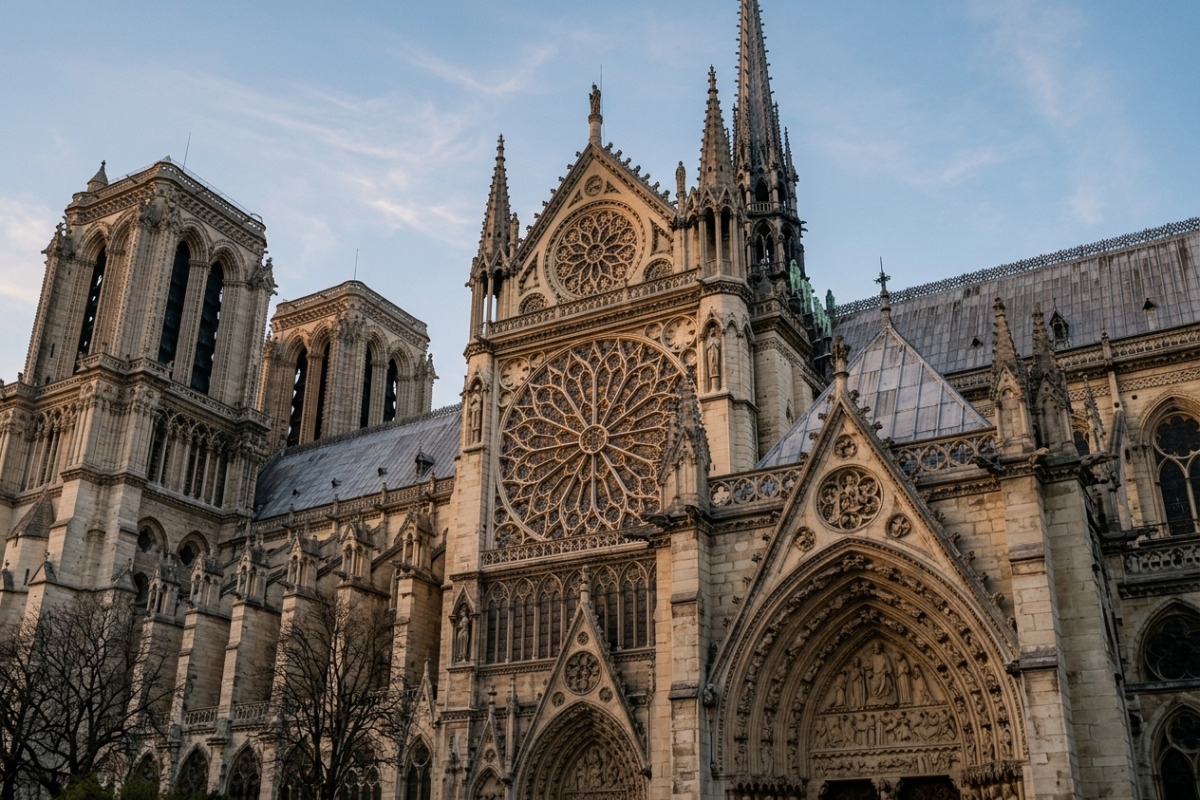
Walking along the banks of the Seine in January 2026, the silhouette of the Grande Dame looks timeless, almost as if the tragedy of April 15, 2019, never occurred. Yet, for those of us who watched in horror as the spire collapsed and the flames consumed the roof, the sight of the restored cathedral is nothing short of a miracle. The journey from the ashes to the reopening was not just a construction project; it was a global act of solidarity, a feat of engineering, and a testament to human resilience. The restoration of Notre Dame de Paris has been one of the most complex heritage preservation efforts in modern history, blending medieval techniques with cutting-edge technology to breathe life back into Gothic architecture’s crown jewel.
For travelers visiting Paris today, stepping inside the cathedral is a profoundly different experience than it was a decade ago. The stone is brighter, the stained glass more vibrant, and the sense of history more palpable. But what exactly happened behind the tarpaulins and scaffolding during those years of silence? To truly appreciate the cathedral today, one must understand the colossal effort undertaken by carpenters, stonemasons, organ builders, and architects who worked tirelessly to ensure that Notre Dame would not only survive but thrive for centuries to come.
The Immediate Aftermath: Stabilizing the Fragile Giant
Before any restoration could begin, the cathedral had to be saved from imminent collapse. The days and weeks following the fire were a race against time, fraught with danger and uncertainty. The intense heat of the fire had destabilized the limestone vaults, and the melted lead from the roof posed a severe health risk to the workers. Perhaps the most terrifying challenge was the charred scaffolding that had been erected for renovation prior to the fire; it had fused into a twisted metal web hanging precariously over the open vaults. Removing this melted steel without causing further damage to the stone structure below was a surgical operation requiring months of planning and nerves of steel. The process involved using robotic arms and diamond-tipped saws to carefully dismantle the tangled mess, piece by piece.
Engineers had to install custom-made wooden supports, known as centring, beneath the flying buttresses to relieve the weight from the weakened walls. It was a phase defined by anxiety, where laser monitoring systems watched for even the slightest movement in the masonry. These systems, accurate to within a millimeter, provided constant feedback on the building's structural integrity. Only once the structure was declared stable in 2021 could the true work of restoration begin. This phase of stabilization is often overlooked by visitors, but without it, the Cathedral Sections we admire today would likely be piles of rubble.
Resurrecting the Forest: The Carpentry Masterpiece
One of the most fiercely debated aspects of the restoration was how to rebuild the roof framework, historically known as "The Forest" due to the sheer number of oak trees used in its construction. While some argued for modern materials like titanium or concrete to prevent future fires, the decision was made to restore the roof to its original medieval state using French oak. This decision honored the original craftsmanship and ensured the structural integrity remained consistent with the Gothic design.
The process was a journey back in time. Carpenters abandoned modern power tools in favor of traditional axes (doloires) to hand-hew the beams, replicating the techniques used in the 12th and 13th centuries. Over a thousand oak trees were carefully selected from forests across France to provide the lumber necessary for the nave and choir roofing. The selection process involved analyzing the trees' age, density, and straightness to ensure they met the stringent requirements for structural soundness. Seeing these massive beams hoisted into place was a symbolic moment, reconnecting the modern workforce with the original builders of the Middle Ages. The scent of fresh oak once again fills the attic spaces, a hidden triumph of the restoration.
The Return of the Spire
The collapse of Eugène Viollet-le-Duc’s 19th-century spire was the most heartbreaking image of the fire. Its reconstruction was symbolic of the cathedral's rebirth. The new spire is an identical replica of the fallen one, crafted from oak and covered in lead. The lead sheets, each weighing several kilograms, were meticulously applied by hand, following the traditional techniques used in the original construction. At the very top sits a new rooster, containing relics saved from the fire, acting as a spiritual lightning rod for the city. When you look up today, you are seeing a masterpiece of carpentry that involves thousands of individual wooden pieces, assembled with puzzle-like precision.
A Luminous Transformation: Cleaning the Interior
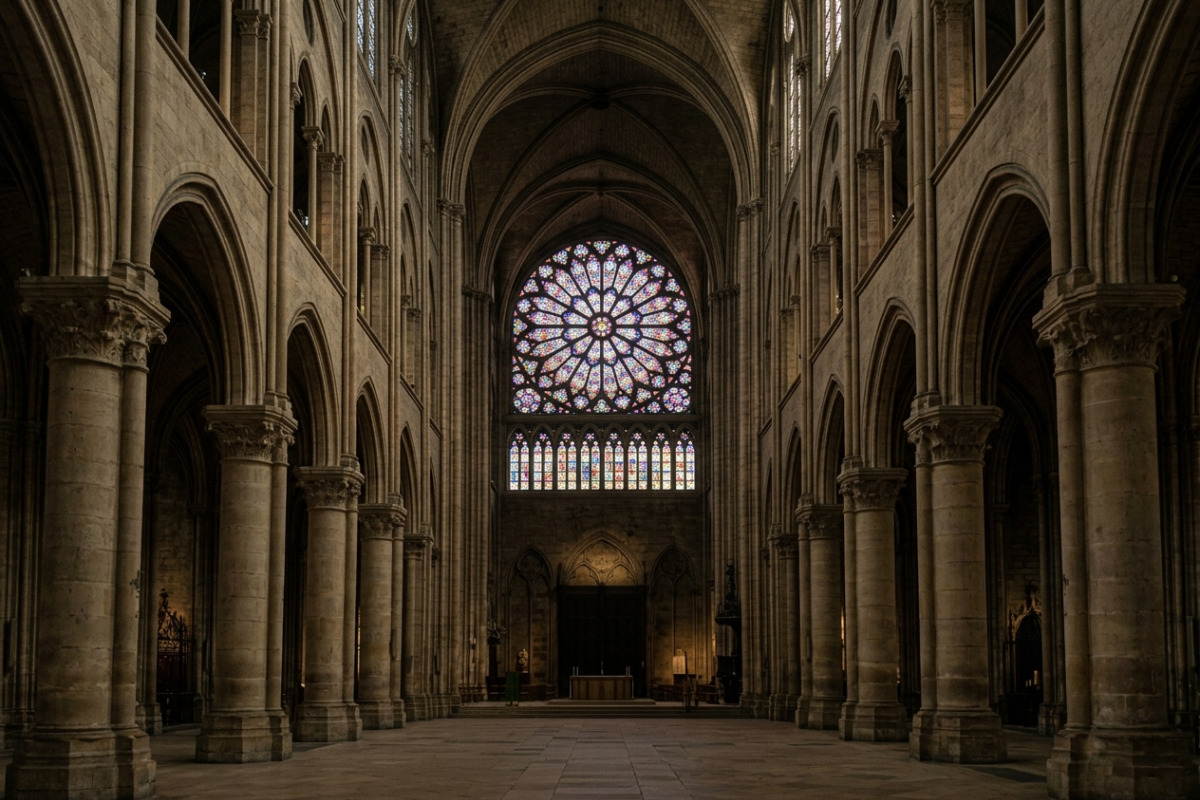
While the structural work was dramatic, the aesthetic transformation of the interior is perhaps what surprises visitors the most. For decades, the interior of Notre Dame had grown dark and gloomy, covered in layers of soot, candle wax, and pollution. The fire, paradoxically, provided the opportunity for a complete deep clean. The restoration teams used latex pastes and laser technology to gently lift dirt from the limestone walls and columns without damaging the surface. The laser cleaning process, known as laser ablation, involved using precisely calibrated laser beams to vaporize the surface contaminants without affecting the underlying stone.
The result is breathtakingly luminous. The creamy blonde stone reflects light in a way that hasn't been seen for nearly two centuries, making the cathedral feel more spacious and ethereal. The cleaning also extended to the 24 chapels, the paintings, and the stained glass windows. Although the famous Rose Windows were spared by the flames, they were covered in lead dust. Each panel had to be meticulously cleaned, restoring their medieval brilliance. As you walk through the nave, the play of colored light on the now-pristine stone creates an atmosphere of divine transcendence.
Restoration by the Numbers
To grasp the scale of this project, it helps to look at the sheer volume of materials and manpower involved. The following table highlights some of the key statistics that define this monumental effort:
| Category | Details |
| Oak Trees Used | Approximately 2,000 oaks from French forests for the spire and roof framework. |
| Total Cost | Over €840 million raised from 340,000 donors across 150 countries. |
| Workforce | Up to 500 workers on-site daily during peak construction phases. |
| Organ Pipes | 8,000 pipes of the Great Organ were dismantled, cleaned of lead dust, and reassembled. |
| Stone Replacement | Stones were sourced from the original quarries near Paris to ensure geological matching. |
The Great Organ and The Bells
The voice of the cathedral, its Great Organ, miraculously survived the flames and the water used by firefighters, but it did not escape unscathed. It was coated in toxic lead dust and subjected to extreme temperature variations. The restoration required dismantling the instrument's 8,000 pipes and cleaning them individually. Re-voicing the organ—tuning it to the acoustics of the renovated space—was a delicate process that took months. Technicians used sophisticated software to analyze the sound and make precise adjustments to each pipe. Today, the sound is clearer and more powerful than before.
Similarly, the bells of the north tower were removed, cleaned, and restored. Hearing them ring out across Paris again signals not just the time, but the endurance of culture and faith. For those planning a trip, checking the schedule for organ recitals or services is highly recommended. You can find more details on practicalities at the Visiting Information page.
Planning Your Visit to the Reborn Cathedral
Visiting Notre Dame in 2026 is a seamless experience, but due to the immense popularity of the reopened site, preparation is key. The forecourt, which was once a construction zone, has been redesigned to be greener and more welcoming, offering a beautiful transition from the city to the sanctuary. Inside, the liturgical furniture has been updated with modern bronze designs that contrast elegantly with the Gothic surroundings.
- Advance Booking: The crowds are significant. It is essential to reserve your entry slot well in advance. Check for Tickets to ensure you don't miss out.
- Audio Guides: New immersive audio guides are available that tell the story of the fire and the restoration in detail.
- Respect the Space: Remember that while it is a tourist attraction, it remains an active place of worship.
If you have specific questions about accessibility, photography rules, or guided tours, the FAQ section is an excellent resource to consult before your arrival.
The restoration of Notre Dame is a reminder that even when history seems lost, it can be reclaimed through dedication and artistry. Standing beneath the rebuilt vaults, you aren't just looking at a church; you are witnessing a victory of creation over destruction. It is a privilege to walk these floors again, and we hope this behind-the-scenes look enriches your upcoming pilgrimage to the heart of Paris.