Cultural Experiences: Museums Close to Notre Dame
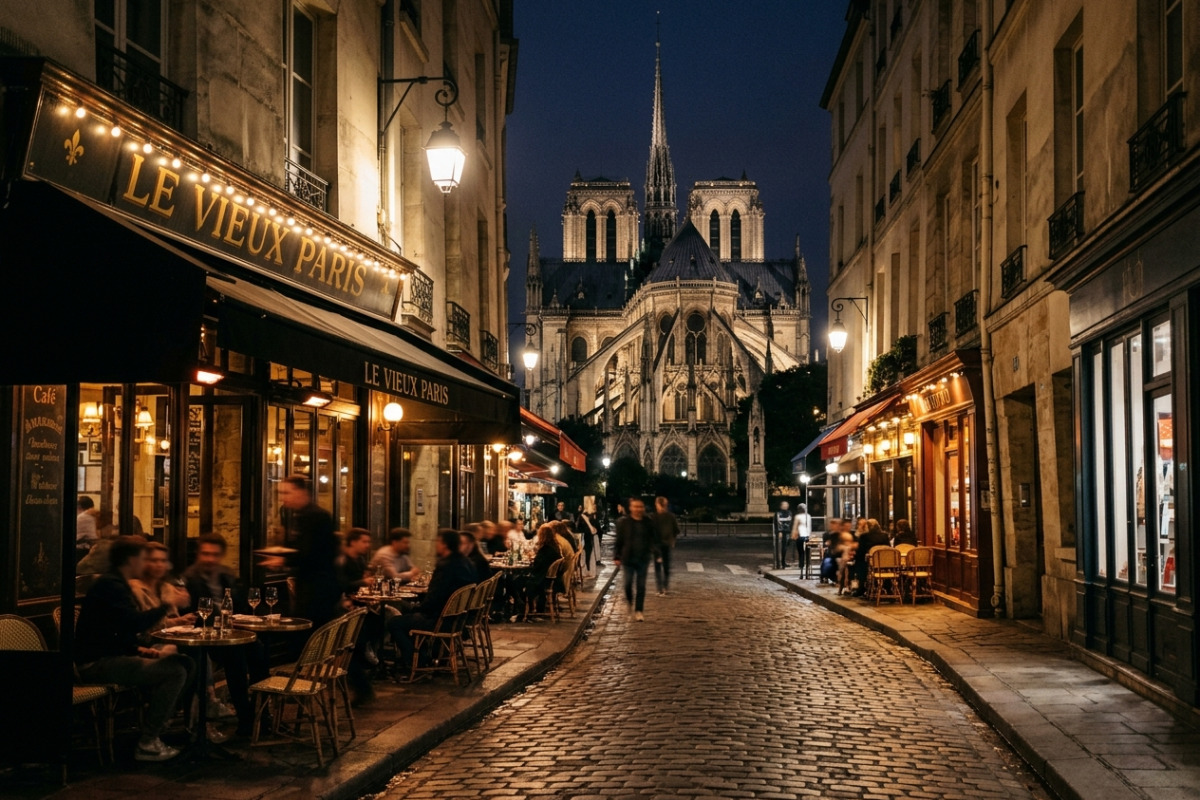
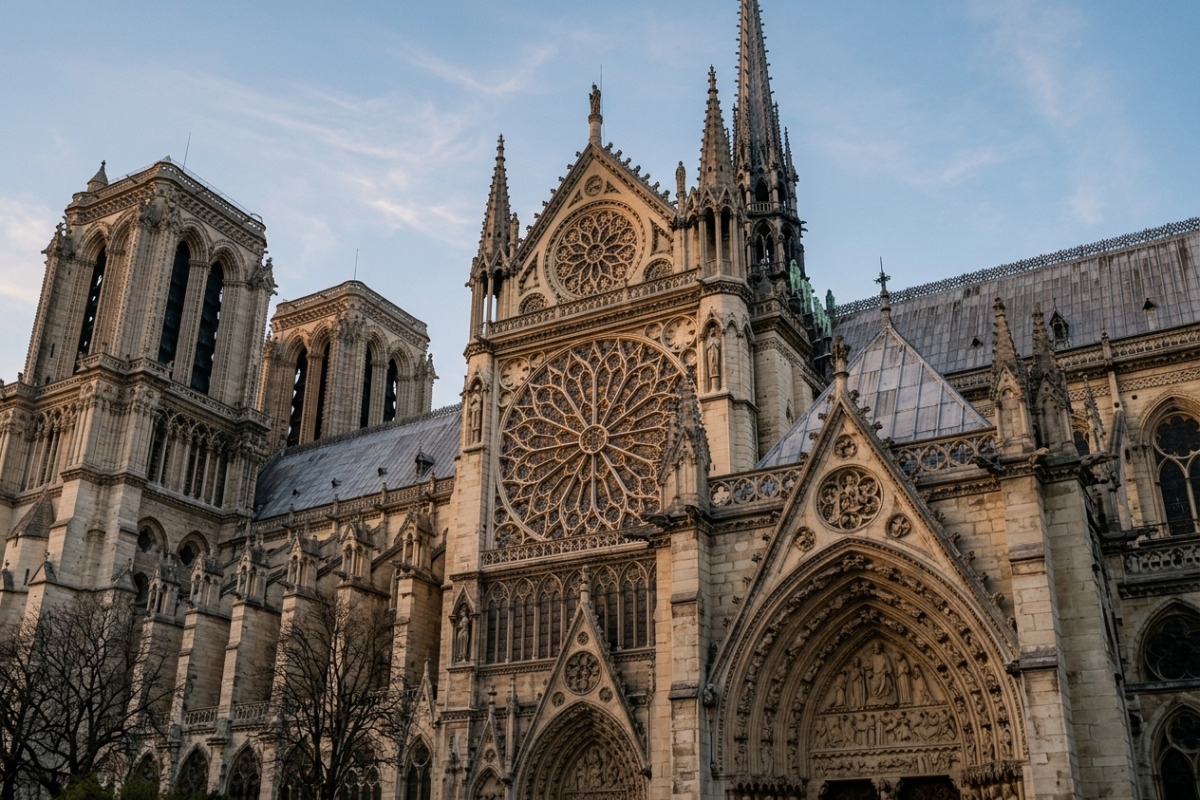
Standing on the Parvis of Notre Dame, surrounded by the hum of the city and the timeless flow of the Seine, it is easy to feel as though you have reached the very center of history. While securing your tickets to enter the cathedral is the highlight of the journey, the experience of Paris does not end at the church doors. The surrounding districts, particularly the Île de la Cité and the Latin Quarter, are densely packed with cultural institutions that offer a deeper context to what you see inside the cathedral. Exploring these nearby museums allows you to weave together a narrative of art, archaeology, and medieval life that enriches your understanding of the Gothic masterpiece you have just visited.
For travelers in January 2026, the city offers a blend of restored heritage and enduring artistic legacy. Whether you are interested in the Roman roots of Paris, the intricate tapestries of the Middle Ages, or the royal history of France, there is a museum within a ten-minute walk that will capture your imagination. By extending your itinerary to include these cultural gems, you transform a simple sightseeing trip into a comprehensive journey through time.
Unearthing History Beneath the Parvis
Before you even leave the shadow of the cathedral, there is a hidden world waiting to be discovered directly beneath your feet. Many visitors gaze up at the spire, but fewer realize that the history of Paris stretches deep underground, revealing layers of civilization that predate the Gothic structure by centuries. This subterranean experience provides a stark, fascinating contrast to the soaring heights of the cathedral nave.
Crypte Archéologique de l'Île de la Cité
Located immediately under the square in front of the cathedral, the Archaeological Crypt offers a unique perspective on the urban evolution of Paris. As you descend, you travel back in time to Lutetia, the Roman predecessor to Paris. The museum displays structural remains from antiquity through the 19th century, including ancient quay walls, a bathhouse, and medieval foundations. It is an essential stop for anyone who wants to understand the physical ground upon which Notre Dame was built.
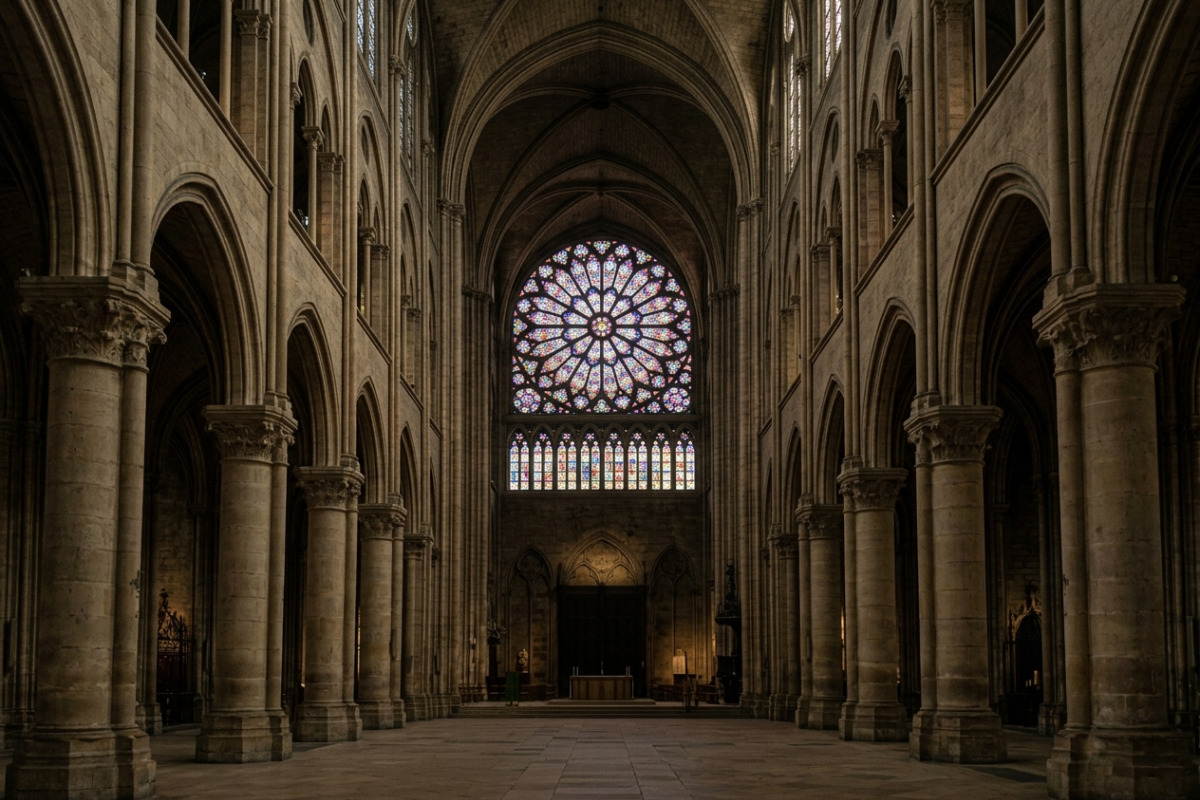
The crypt is particularly atmospheric, with low lighting that highlights the texture of ancient stones and interactive displays that reconstruct the city's past appearance. It provides excellent context for the Cathedral Sections you explore above ground, showing how the sacred site has been a focal point of urban life for two millennia. Visiting here helps you appreciate the continuity of history, seeing the cathedral not just as a monument, but as the latest chapter in a very long story.
Medieval Marvels on the Left Bank
Crossing the Seine to the Left Bank (Rive Gauche), you enter the historic Latin Quarter. This area has been the intellectual and artistic heart of Paris since the Middle Ages. Here, the cobblestone streets and ancient buildings house collections that mirror the artistry found within Notre Dame itself. It is the perfect area to wander after your cathedral visit to maintain that immersive medieval atmosphere.
Musée de Cluny – The National Museum of the Middle Ages
Just a short walk from Notre Dame, the Musée de Cluny is housed in a spectacular structure that combines Gallo-Roman thermal baths with a 15th-century abbot's residence. If the cathedral sparked your interest in medieval craftsmanship, this museum is the ultimate follow-up. The collection includes exquisite stained glass, religious statuary, and everyday objects that paint a vivid picture of life during the era when Notre Dame was constructed.
The undisputed jewel of the collection is the "Lady and the Unicorn" tapestry cycle. These six mysterious and beautiful tapestries are considered some of the greatest works of art from the Middle Ages. Viewing them provides a softer, more domestic counterpoint to the grand religious art of the cathedral. Before heading over, checking Visiting Information is wise to coordinate your timing, as the Cluny can be a popular stop for those seeking shelter from the January chill.
Royal History and Stained Glass
Remaining on the Île de la Cité, just a few blocks west of Notre Dame, lies the Palais de la Cité. This complex served as the residence of the Kings of France until the 14th century and houses two of the most significant cultural sites in Paris. These locations are inextricably linked to the history of the monarchy and the church, offering a different flavor of French heritage.
Sainte-Chapelle
Often described as a jewel box of light, Sainte-Chapelle is a masterpiece of Rayonnant Gothic architecture. Built by King Louis IX to house the Crown of Thorns—a relic once kept at Notre Dame—this chapel is famous for its 1,113 stained glass scenes. The visual impact of entering the upper chapel is overwhelming; on a sunny day, the walls seem to dissolve into pure color and light.
While Notre Dame impresses with its scale and majesty, Sainte-Chapelle impresses with its delicate intricacy. It is smaller and more intimate, allowing you to see the details of the glasswork up close. Combining a visit here with your cathedral tour offers a complete education in Gothic glass artistry. The proximity means you can easily visit both in a single morning or afternoon.
La Conciergerie
Adjacent to Sainte-Chapelle is La Conciergerie, a site with a much darker history. Originally part of the royal palace, it became a notorious prison during the French Revolution. Its most famous prisoner was Marie Antoinette, who was held here before her execution. The vast Hall of the Guards is a stunning example of medieval secular architecture, contrasting sharply with the religious architecture nearby.
Visiting La Conciergerie grounds the soaring spiritual experience of Notre Dame in the gritty reality of political history. It reminds visitors of the turbulent times the city has weathered. If you have questions about accessibility or how to navigate between these historic sites, the FAQ section can provide helpful logistical details.
A Quick Guide to Nearby Museums
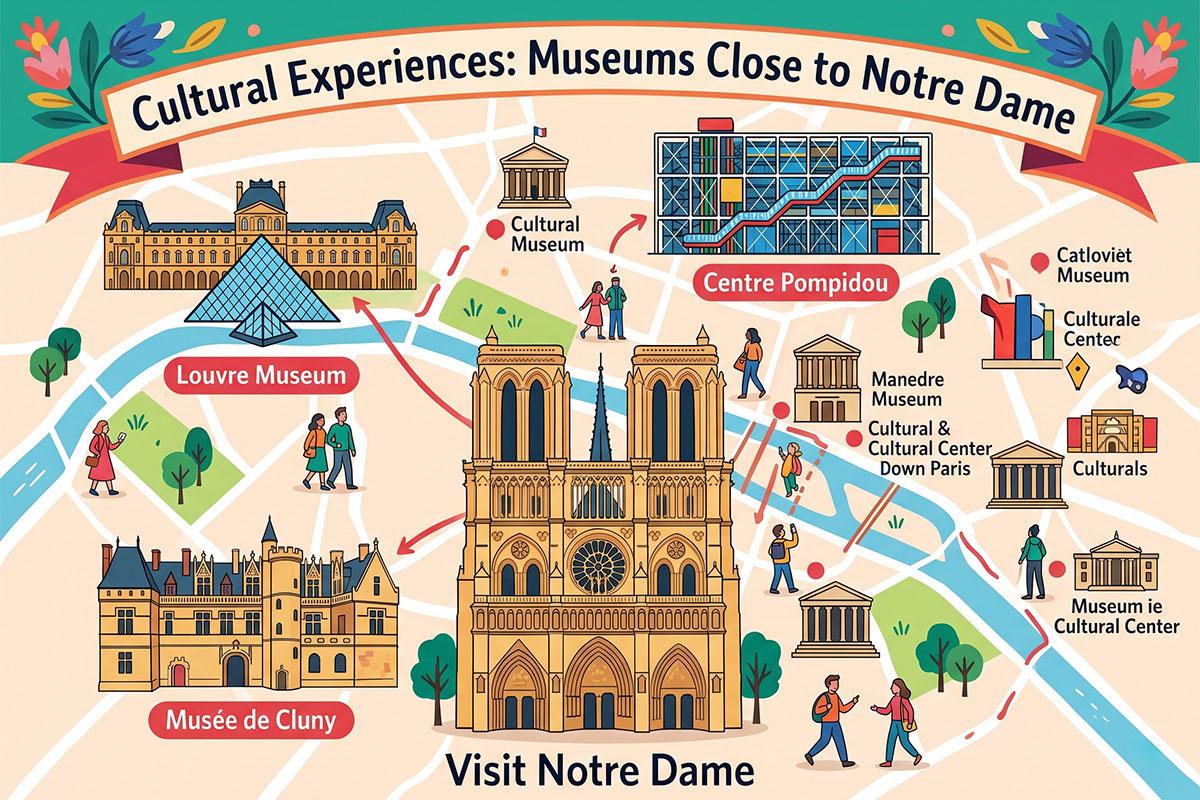
To help you plan your cultural itinerary, here is a quick comparison of these key locations relative to the cathedral.
| Museum Name | Walking Distance | Primary Focus | Ideal For |
| Archaeological Crypt | 1 min (On the Parvis) | Roman & Medieval Ruins | History buffs & Urban explorers |
| Sainte-Chapelle | 8-10 mins | Stained Glass & Architecture | Art lovers & Photographers |
| Musée de Cluny | 10-12 mins | Medieval Art & Tapestries | Those seeking context to the Middle Ages |
| La Conciergerie | 8-10 mins | Revolutionary History | Those interested in the French Revolution |
Modern Art and The Right Bank
If you wish to cleanse your palate after a heavy dose of medieval history, a short walk across the bridge to the Right Bank leads you to the Beaubourg area. Here, the architecture shifts dramatically from stone gargoyles to industrial pipes and glass, offering a jarring but refreshing contrast.
Centre Pompidou
The Centre Pompidou houses the National Museum of Modern Art and is an architectural icon in its own right. While it may seem worlds away from Notre Dame in style, it is only a fifteen-minute walk. Exploring modern and contemporary art here can be a stimulating way to end a day that began in the 12th century. The rooftop view from the Pompidou also offers one of the best vantage points to look back at the towers of Notre Dame and appreciate its dominance over the skyline.
Tips for a Culturally Rich Day
- Start Early: The Île de la Cité gets busy. Begin with your cathedral visit in the morning when the light is best, then move to the smaller museums as the crowds disperse.
- Check for Combo Passes: Some monuments, like Sainte-Chapelle and La Conciergerie, often have combined entry options which can save time.
- Walk the Banks: The walk between these museums along the Seine is a cultural experience in itself, offering views of the bouquinistes (booksellers) and historic bridges.
- Respect the Sanctity: Remember that while museums are secular, the cathedral remains a place of worship. Transitioning your mindset between these spaces is part of the journey.
By integrating these museums into your visit, you gain a holistic view of Paris. You see the city not just as a collection of pretty buildings, but as a living organism that has grown, suffered, and flourished over two thousand years. Whether you are gazing at the Roman stones in the crypt or the unicorn tapestries at Cluny, each stop adds a new layer of depth to your memories of Notre Dame.