Exploring Historical Landmarks Around Notre Dame: A Journey Through Time
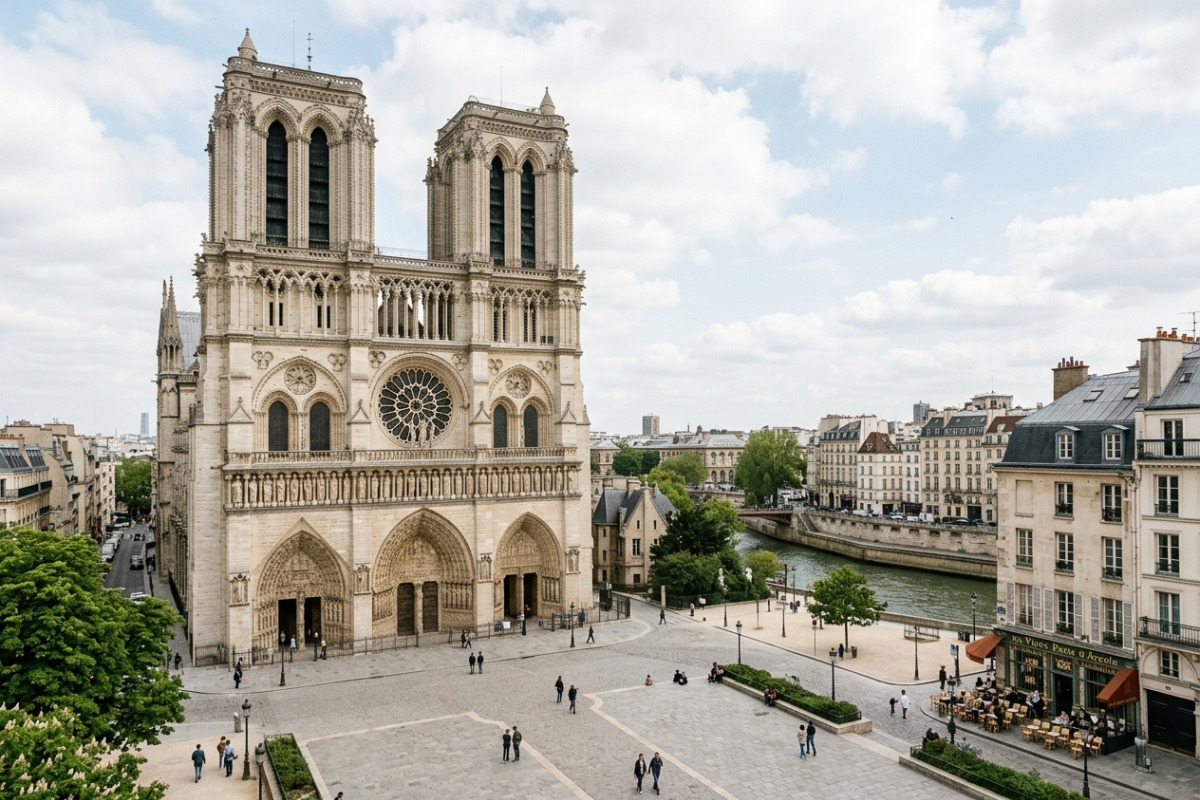
Standing at Point Zéro on the parvis of Notre Dame, you are literally positioning yourself at the center of Paris. While the majestic cathedral is undeniably the crown jewel of the Île de la Cité, the surrounding streets and bridges are the setting that gives this jewel its context. The area is a living museum, where medieval architecture rubs shoulders with Renaissance grandeur and the scars of the French Revolution remain etched in stone. Exploring these nearby historical landmarks allows you to piece together the complete narrative of Paris, transforming a simple sightseeing trip into a deep dive into centuries of French history.
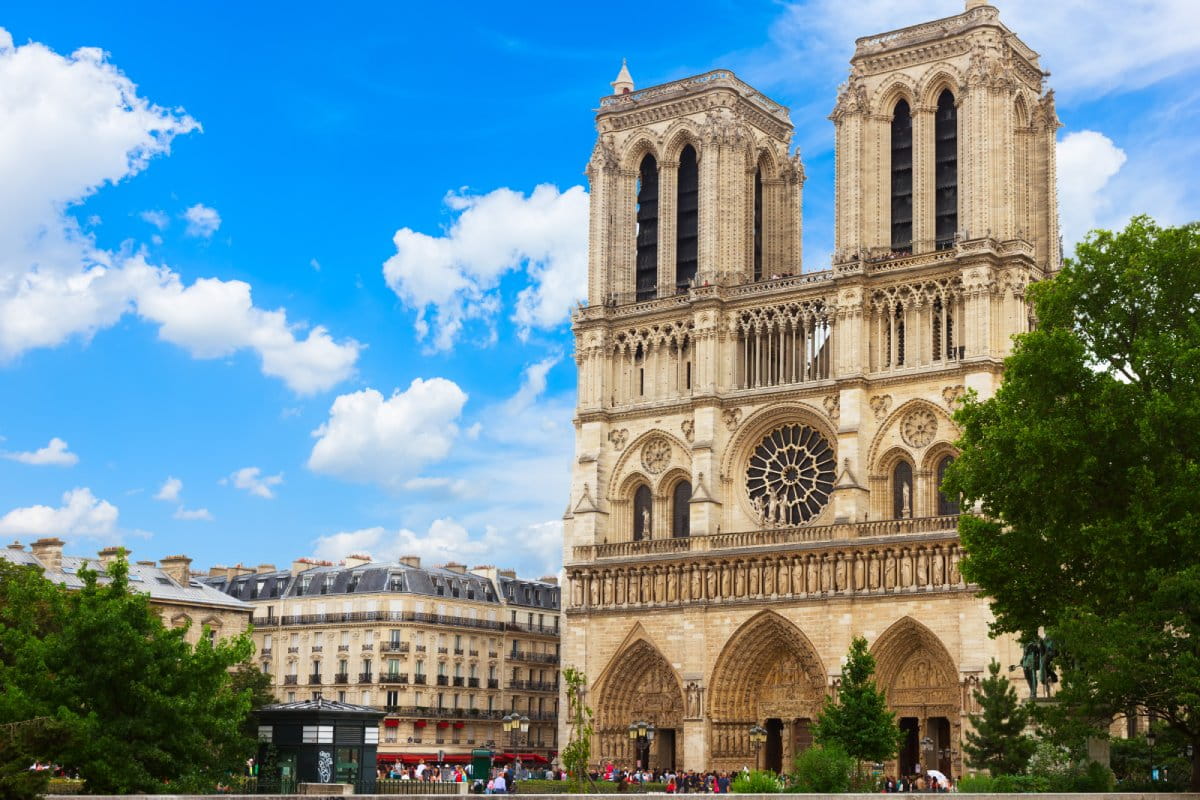
For travelers visiting in 2026, the experience is particularly poignant. With the cathedral fully restored and accessible, the energy on the island is vibrant. However, to truly understand the significance of this sacred site, one must look outward to the neighbors that have stood watch alongside it for generations. Whether you are waiting for your entry time or looking to extend your day after you Explore the Cathedral, these sites offer an unparalleled glimpse into the past.
The Heart of the Island: Gems of Île de la Cité
The Île de la Cité is often referred to as the cradle of Paris. It was here that the Parisii tribe first settled, and it remains the epicenter of the city's historical administration and justice systems. Walking these streets is like flipping through the pages of a history book, with each building representing a different chapter of the French monarchy and republic.
Sainte-Chapelle: A Kaleidoscope of Light
Just a short five-minute walk from Notre Dame lies one of the greatest achievements of Rayonnant Gothic architecture: Sainte-Chapelle. Commissioned by King Louis IX in the mid-13th century, this chapel was built to house precious Christian relics, including the Crown of Thorns. While the relics have since been moved (some are now associated with the treasury of Notre Dame), the architecture remains a divine spectacle. The upper chapel is renowned for its walls, which appear to be made almost entirely of stained glass. Across 15 windows, 1,113 scenes depict the history of the world from Genesis to the arrival of the relics in Paris. The visual connection between the spiritual grandeur here and the architectural mastery you see when you visit Notre Dame is undeniable.
The Conciergerie: From Palace to Prison
Sharing the same complex as the Palais de Justice and Sainte-Chapelle is the imposing Conciergerie. Originally a royal palace for the Capetian kings, it became infamous during the French Revolution as the "antechamber to the guillotine." Its most famous prisoner was Queen Marie Antoinette, who spent her final days within these cold stone walls before her execution. Today, visitors can explore the Hall of the Guards and the recreated prisoner cells. The contrast between the soaring spiritual heights of the nearby cathedral and the grim, earthly reality of the Conciergerie offers a profound perspective on the duality of Parisian history.
Au Vieux Paris d’Arcole
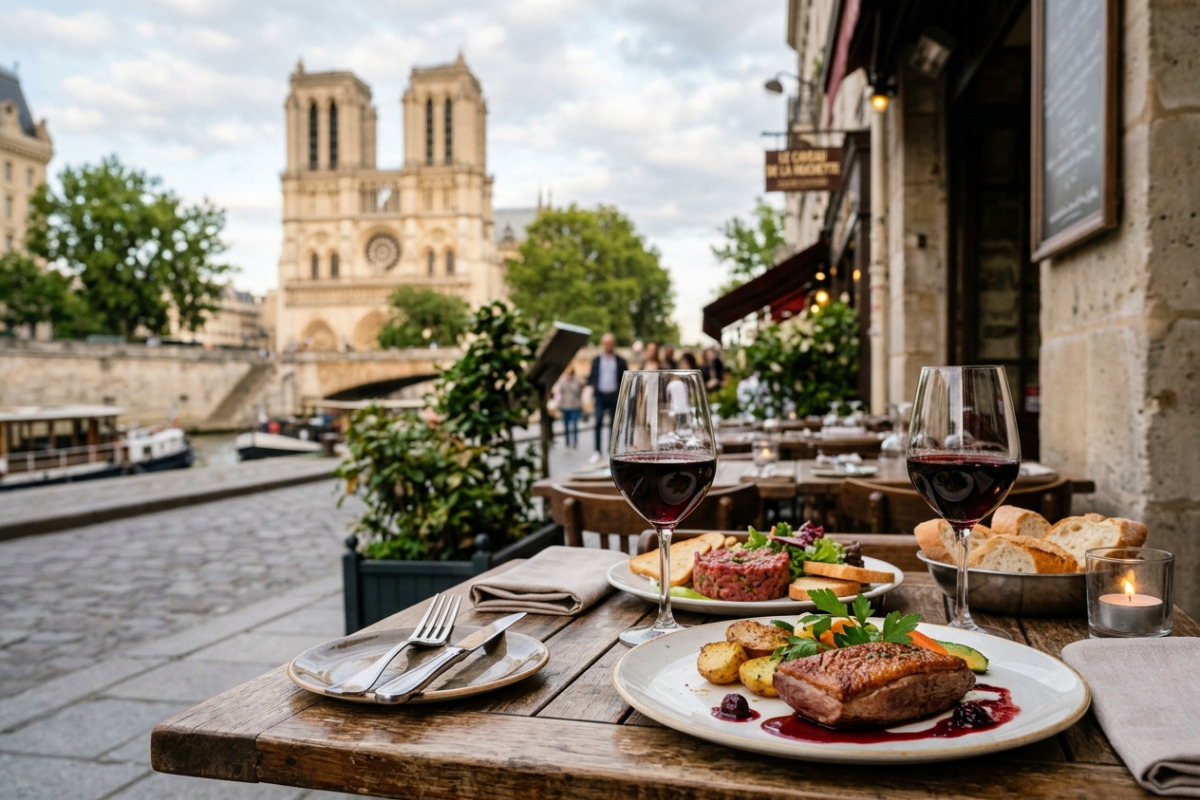
Tucked away on Rue Chanoinesse, just a stone's throw from the cathedral, is Au Vieux Paris d’Arcole. While it is now a restaurant, the building itself is a historical landmark worth admiring. Constructed in 1512, it served as the home for the Canon of the Cathedral. Its medieval façade, often draped in wisteria depending on the season, provides a rare glimpse into what the residential streets of the Île de la Cité looked like before the major urban renovations of the 19th century. It is a quiet, photogenic spot that feels worlds away from the bustling crowds.
Crossing the Seine: The Latin Quarter Connection
Crossing the Petit Pont to the Left Bank brings you to the Latin Quarter, an area historically defined by scholarship, bohemian life, and rebellion. The history here is less about kings and more about thinkers, writers, and students who have gathered in the shadow of the cathedral for nearly a millennium.
Shakespeare and Company
While technically a bookstore, Shakespeare and Company is a legendary institution that functions as a historical landmark of the literary world. Located at Kilometer Zero adjacent to the Seine, the current shop was opened by George Whitman in 1951. It became a sanctuary for the Beat Generation writers like Allen Ginsberg and William S. Burroughs. The shop maintains the spirit of Sylvia Beach's original bookstore, which published James Joyce's Ulysses. Browsing its chaotic, book-lined shelves while listening to the faint bells of Notre Dame across the river is a quintessential Parisian experience.
Saint-Julien-le-Pauvre
Just behind the bookstore lies the church of Saint-Julien-le-Pauvre. Often overlooked, this is one of the city's oldest religious buildings, with construction dating back to the 12th century, contemporaneous with the early stages of Notre Dame. The church has weathered centuries of change and now serves the Melkite Greek Catholic community. The adjacent square, Square René Viviani, houses the oldest tree in Paris—a locust tree planted in 1601. It is a peaceful enclave that offers one of the most stunning, framed views of Notre Dame’s southern façade.
A Quick Guide to Nearby Historical Sites
To help you plan your itinerary effectively, we have compiled a comparison of these landmarks based on their proximity to the cathedral and their historical focus. This can help you decide where to go before or after you use your Tickets for the cathedral.
| Landmark | Walking Time from Notre Dame | Historical Era | Key Highlight |
| Sainte-Chapelle | 5 Minutes | 13th Century (Medieval) | Stunning stained glass windows |
| The Conciergerie | 7 Minutes | 14th & 18th Century | Marie Antoinette's cell |
| Shakespeare and Co. | 3 Minutes | 20th Century | Literary history & atmosphere |
| Saint-Julien-le-Pauvre | 4 Minutes | 12th Century | Oldest tree in Paris & Romanesque style |
| Tour Saint-Jacques | 10 Minutes | 16th Century | Flamboyant Gothic tower |
Connecting the Dots: The Bridges of History
The bridges connecting the Île de la Cité to the rest of Paris are historical landmarks in their own right. They are not merely thoroughfares but feats of engineering that tell the story of the city's expansion.
- Pont Neuf: Ironically named the "New Bridge," this is actually the oldest standing bridge across the Seine in Paris. Completed in 1607 under Henry IV, it was the first bridge in Paris to be built without houses on it, offering unobstructed views of the river and the Louvre.
- Pont Saint-Michel: This bridge connects the island to the Latin Quarter and offers a direct line of sight to the Sainte-Chapelle spire. The current structure dates to the mid-19th century and bears the imperial 'N' insignia of Napoleon III.
- Pont de l'Archevêché: Located behind the cathedral, this narrow bridge was long famous for "love locks" (now removed to protect the structure). It remains the best vantage point to admire the flying buttresses of Notre Dame’s apse.
Planning Your Historical Walk
Exploring these landmarks requires a bit of strategy, especially given the popularity of the area. The streets around Notre Dame can be busy, so planning your route in a logical loop can save time and energy. A recommended approach is to start with the interior visits of the Île de la Cité (Sainte-Chapelle and Conciergerie) in the morning, enjoy a lunch near the flower market, and then spend the afternoon exploring the cathedral and the Latin Quarter.
Before you embark on this historical journey, ensure you are up to date with the latest logistics regarding the cathedral itself. You can find detailed guidance on our Visiting Information page. If you have specific questions about accessibility or what you can bring into these historic zones, the FAQ section is an excellent resource to consult before you arrive.
By weaving these surrounding landmarks into your visit, you do more than just see a cathedral; you immerse yourself in the timeline of Paris. From the royal ambitions of the Capetians to the literary revolutions of the 20th century, the stones around Notre Dame have countless stories to tell to those willing to listen.