The Art of Restoration: Behind the Scenes at Notre Dame
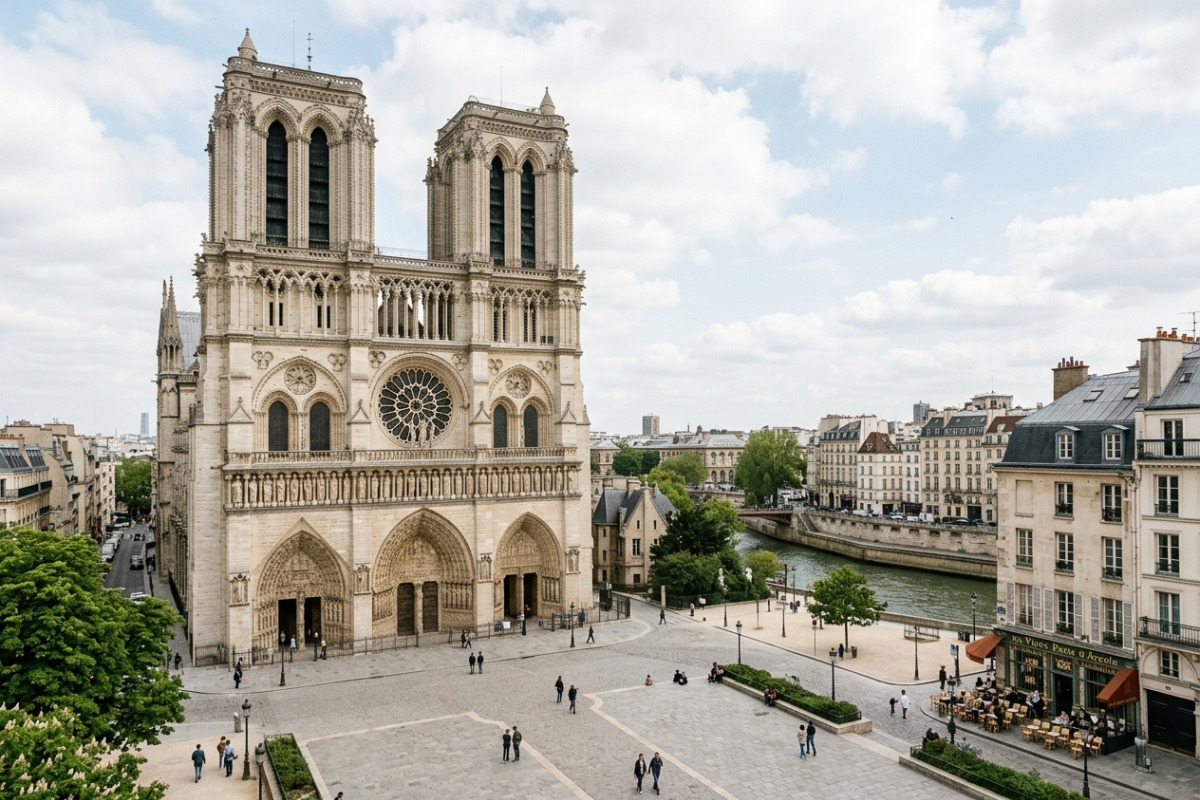
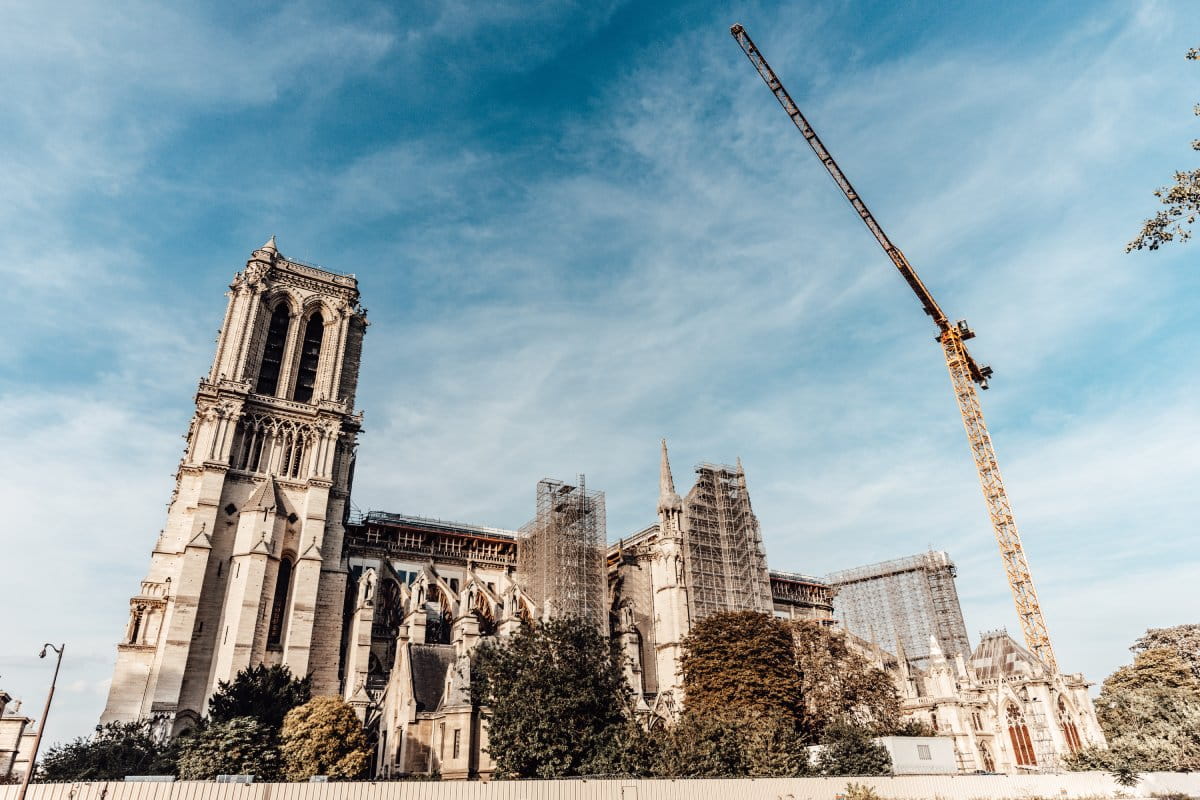
When the world watched the spire of Notre Dame fall in April 2019, a collective gasp echoed across the globe. It felt like the loss of a close friend, a permanent scar on the skyline of Paris. However, what followed was not just a construction project; it was one of the most ambitious artistic endeavors of the 21st century. Now, as we stand here in January 2026, admiring the cathedral in its restored glory, we are witnessing more than just stone and wood. We are looking at a testament to human resilience and the enduring power of craftsmanship. The restoration was a delicate dance between preserving history and securing the future, requiring a level of artistry that rivals the original builders of the Middle Ages.
To truly appreciate the cathedral today, one must look beyond the sheer scale of the structure and focus on the details. The 'art of restoration' is not merely about fixing what was broken; it is about understanding the soul of the building. Every chisel mark, every beam of oak, and every pane of glass tells a story of dedication. For travelers visiting Paris this year, understanding these behind-the-scenes efforts transforms a standard sightseeing tour into a profound journey through time and technique.
Resurrecting the Forest: The Carpentry Masterpiece
One of the most devastating losses during the fire was the destruction of "The Forest" (La Forêt), the complex wooden framework that supported the roof. Dating back to the 13th century, it was a marvel of medieval engineering. The decision to rebuild this structure exactly as it was—using medieval techniques—was a bold commitment to authenticity. Carpenters did not simply cut wood; they engaged in a historical reenactment of the highest order. They sourced over a thousand oak trees from French forests, hand-hewing beams with axes just as their ancestors did eight centuries ago.
This dedication to traditional craftsmanship ensures that the structural integrity of the cathedral remains true to its Gothic roots. Visitors exploring the various Cathedral Sections can now appreciate that the roof above them is not a modern steel replica hidden by stone, but a living tribute to ancient carpentry. The scent of fresh oak still lingers faintly in the upper reaches, a sensory reminder of the massive effort undertaken to restore the silhouette of the Ile de la Cité.
The Alchemy of Light: Restoring the Stained Glass
While the fire raged, the world feared for the Rose Windows. Miraculously, the medieval glass survived the heat, but it did not escape unscathed. Years of pollution, combined with the toxic lead dust from the fire, had dimmed their brilliance. The restoration of these windows was a painstaking process involving master glassmakers and chemists working in unison. Each panel had to be removed, cataloged, and cleaned using micro-vacuums and specialized cotton swabs to remove the grime without damaging the fragile paint.
The result is a cathedral that is significantly brighter than anyone remembers from before 2019. The light that filters through today is vibrant, casting kaleidoscopic patterns on the newly cleaned limestone walls. This interplay of light and stone is central to the spiritual experience of the cathedral. If you are planning to witness this spectacle, it is highly recommended to check Visiting Information to find the best times of day for natural light, which usually peaks during the late morning hours.
Bridging Centuries: Technology Meets Tradition
The restoration of Notre Dame was a unique intersection where medieval tools met cutting-edge technology. While carpenters used broadaxes, architects utilized digital twins and drone technology to map every millimeter of the damage. This hybrid approach allowed for precision that was previously impossible.
| Restoration Area | Traditional Method Used | Modern Technology Applied |
| Stone Cleaning | Manual brushing and poultices | Laser cleaning to remove soot without abrasion |
| Roof Structure | Hand-hewn oak beams (axes) | 3D Digital Modeling (BIM) for stress analysis |
| Spire Recreation | Lead sheathing and carpentry | Computer-aided design to match Viollet-le-Duc's vision |
| Safety Systems | Visual inspection | Thermal cameras and misting fire suppression systems |
This table highlights how the restoration team didn't choose between the past and the future; they utilized both. The laser cleaning, in particular, has revealed the creamy whiteness of the limestone that had been hidden under centuries of Parisian smog. The cathedral looks younger today than it has in centuries, thanks to these technological interventions.
The Human Touch: Artisans and Compagnons
Behind every restored arch and polished statue lies the hand of an artisan. The project mobilized hundreds of craftsmen from the Compagnons du Devoir and other guilds. These are not just construction workers; they are artists who have dedicated their lives to specific materials—stone, wood, metal, and glass. Their work is often invisible to the untrained eye, yet it is omnipresent.
- The Stonemasons: They had to source limestone from quarries that matched the geological composition of the original 12th-century stones to ensure visual and structural continuity.
- The Organ Builders: The Great Organ was choked by lead dust. Thousands of pipes had to be dismantled, cleaned, and re-voiced, a process that took years of listening and tuning.
- The Sculptors: Replacing damaged gargoyles and chimeras required sculptors to study archival photos and recreate fantastic beasts that serve as the cathedral’s guardians.
For those interested in the specifics of accessibility or how to navigate the cathedral with these new restorations in place, the FAQ section provides excellent insights into the logistical aspects of your visit.
Witnessing the Rebirth in 2026
Visiting Notre Dame in 2026 is a different experience than it was a decade ago. There is a palpable sense of gratitude in the air. The queues are a testament to the world's enduring love for this monument. Because of the immense interest in seeing the completed restoration, securing entry requires some foresight. We strongly advise travelers to reserve their Tickets well in advance to ensure they can step inside and witness this architectural miracle firsthand.
As you walk through the nave, look up. Look at the keystone vaults that were once gaping holes to the sky. Look at the vibrant colors of the stained glass. You are witnessing the art of restoration—a silent dialogue between the master builders of the past and the dedicated artisans of the present. Notre Dame has not just been repaired; it has been loved back to life.
Planning Your Visit: Practical Information for 2026
To make the most of your visit to the newly restored Notre Dame, consider the following practical information:
- Accessibility: The cathedral has been updated to improve accessibility for visitors with disabilities. Ramps and elevators are available in key areas. Check the FAQ for detailed accessibility information.
- Photography: Photography is permitted inside the cathedral, but flash photography is prohibited to protect the delicate artwork and stained glass.
- Guided Tours: Enhance your experience with a guided tour led by knowledgeable art historians. These tours provide in-depth insights into the restoration process and the cathedral's history. Book in advance through the Tickets page.
- Security: Be prepared for security checks upon entry. Large bags and luggage may not be permitted inside.
- Donations: Contributions to support the ongoing preservation of Notre Dame are gratefully accepted. Information on how to donate can be found on the official website.
The Ongoing Story of Notre Dame
While the major restoration work concluded in 2026, the story of Notre Dame is far from over. Ongoing maintenance and preservation efforts will continue to ensure that this iconic landmark remains a symbol of hope and resilience for generations to come. New discoveries are still being made as experts analyze the structure, revealing more about its construction and history. The cathedral is not just a building; it's a living document, constantly evolving and revealing its secrets. Stay updated on the latest news and developments by following the official Notre Dame website and social media channels.